
Why Your Water Isn't Actually Hydrating You
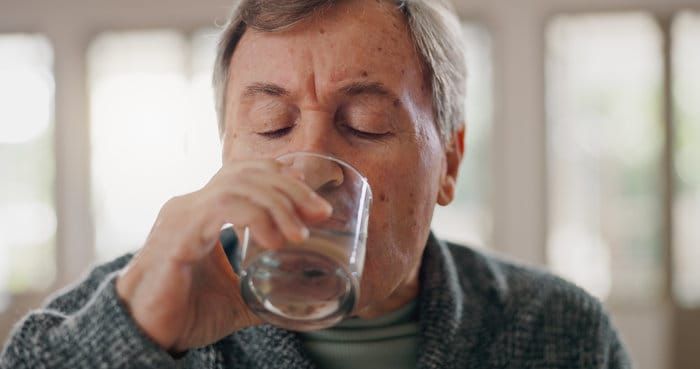
You’re doing everything right. You’ve got your trusty water bottle by your side, you’re sipping all day long, and you’re hitting the eight-glass goal. So why do you still feel... off?
Maybe it’s a nagging headache, afternoon brain fog, or that strange sensation of being thirsty even though you're constantly drinking. Sound familiar?
If you're nodding along, I get it. It’s incredibly frustrating. You're putting in the effort, but not feeling the results.
Here’s the truth: You might be drinking plenty of water, but you may not actually be hydrating.
The Missing Piece of the Hydration Puzzle
We’ve all been taught that hydration is a numbers game-just drink enough water, and you’re good. But the truth is, hydration is more than just drinking H2O. Your body is made of trillions of tiny cells, and true hydration occurs when water gets inside those cells.
Simply drinking water doesn’t guarantee it will reach its destination. For water to be effective, it needs help to pass into your cells.
This help comes from electrolytes.
What Are Electrolytes and Why Are They So Important?
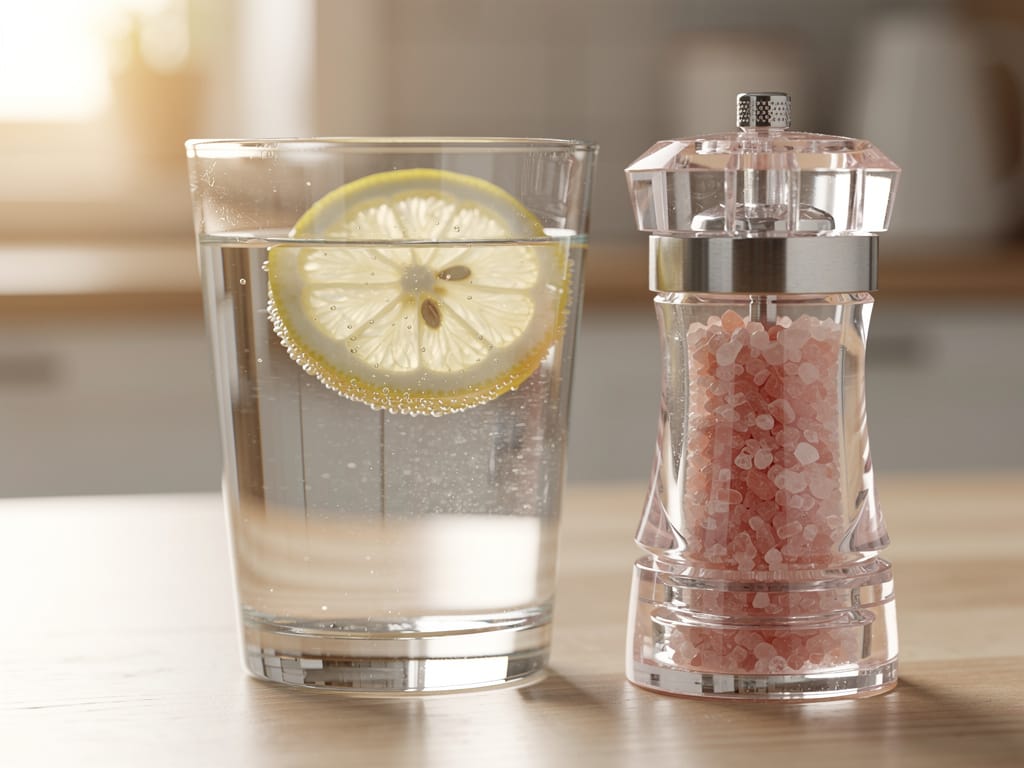
Electrolytes are minerals like sodium, potassium, and magnesium that carry an electric charge. They are the gatekeepers to your cells, creating the proper balance that allows water to pass through the cell membrane. This is how water actually hydrates you from the inside out.
Without enough electrolytes, the water you’re drinking can just pass right through you. You’ll be running to the bathroom all day, but your body won’t be reaping the hydration benefits.
Is Your “Healthy” Water Actually Working Against You?
Here’s a surprising fact: Many of the modern water sources we rely on today are stripped of these essential minerals.
While super-filtered systems like reverse osmosis and distillation are excellent at removing contaminants, they also remove the beneficial minerals your body needs for hydration.
So, when you drink water that’s been stripped of minerals, you’re left with "empty" water. Drinking large amounts of this demineralized water can even cause a flushing effect, where your body loses electrolytes, worsening the situation.
The Fix: Hydrate Smarter, Not Harder
Don’t worry - the solution is simple and affordable. You don’t need to ditch your water bottle. You just need to make your water work smarter. Here are a few easy ways to make sure your body gets the hydration it needs.
- 1. Add a Pinch of Good Salt
No, I’m not talking about regular table salt. A tiny pinch of unrefined sea salt (like Celtic or Himalayan pink salt) is a game-changer. It’s packed with trace minerals that your body craves. It won’t taste salty, I promise - it’ll simply make your water taste smoother and improve absorption.
A study published in The American Journal of Clinical Nutrition found that electrolytes like sodium and potassium play a key role in fluid balance and hydration.
2. Eat Your Water
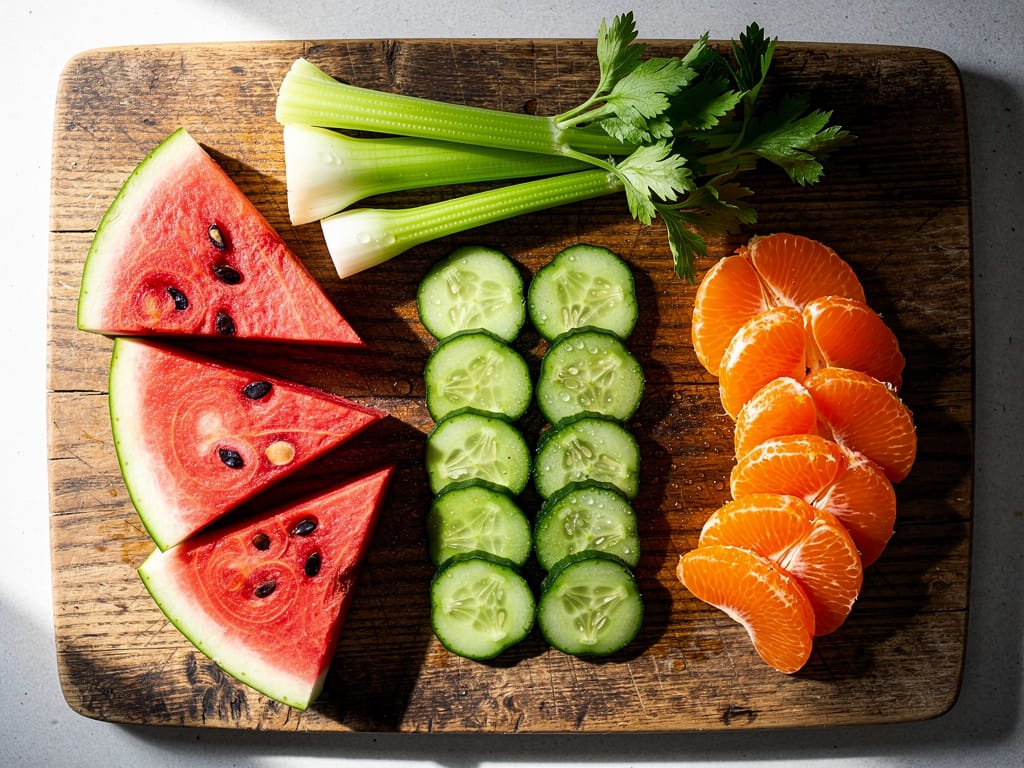
Mother Nature has our back. Many fruits and vegetables are naturally full of structured water and electrolytes. Hydrating foods like cucumbers, celery, watermelon, oranges, and strawberries do double duty: they hydrate and nourish you at the same time.
These foods are high in water content and vitamins that support overall health and hydration.
3. Add a Squeeze of Citrus
Adding a squeeze of fresh lemon or lime to your water not only gives it a refreshing burst of flavor but also provides a small boost of potassium and magnesium, both essential electrolytes.
These minerals help regulate fluid balance in your body and keep your muscles and nervous system functioning properly. In fact, research suggests that electrolyte-rich hydration significantly improves hydration status and performance during exercise.
4. Listen to Your Body
Hydration isn’t just about drinking as much as possible. The best indicator of your hydration status is actually quite simple: the color of your urine.
- Pale, straw-like yellow? You’re hydrated.
- Completely clear? You might be over-drinking and flushing out electrolytes.
- Dark yellow or amber? You need more fluids.
Pro Tip: Don’t force-feed yourself water. Your body will tell you when it’s time to hydrate.
Remember this: True hydration isn't just about the volume of water you drink. It's about getting that water- along with essential minerals- inside your cells where it truly counts.
True hydration isn’t just about the volume of water you drink; it’s about getting that water-along with essential electrolytes-inside your cells where it truly counts.
When you focus on adding electrolytes, you’ll stop running to the bathroom every hour and start feeling truly hydrated. Whether it’s adding a pinch of sea salt, eating hydrating foods, or squeezing some citrus into your water, small changes can make a huge difference in how you feel and function.
Start making your water smarter today, and you might be surprised by the difference in your energy, focus, and overall well-being.
You’ve Got This!
Hydration isn’t just about drinking more water - it’s about understanding how to make your body absorb and utilize it effectively. Stay hydrated, stay healthy, and stay energized!
Want More Tips on Wellness and Hydration?
Sign up for our newsletter to get the latest tips delivered straight to your inbox.💧