
The Nutrient Depletion Problem: Why an Apple Today Isn't What It Used To Be
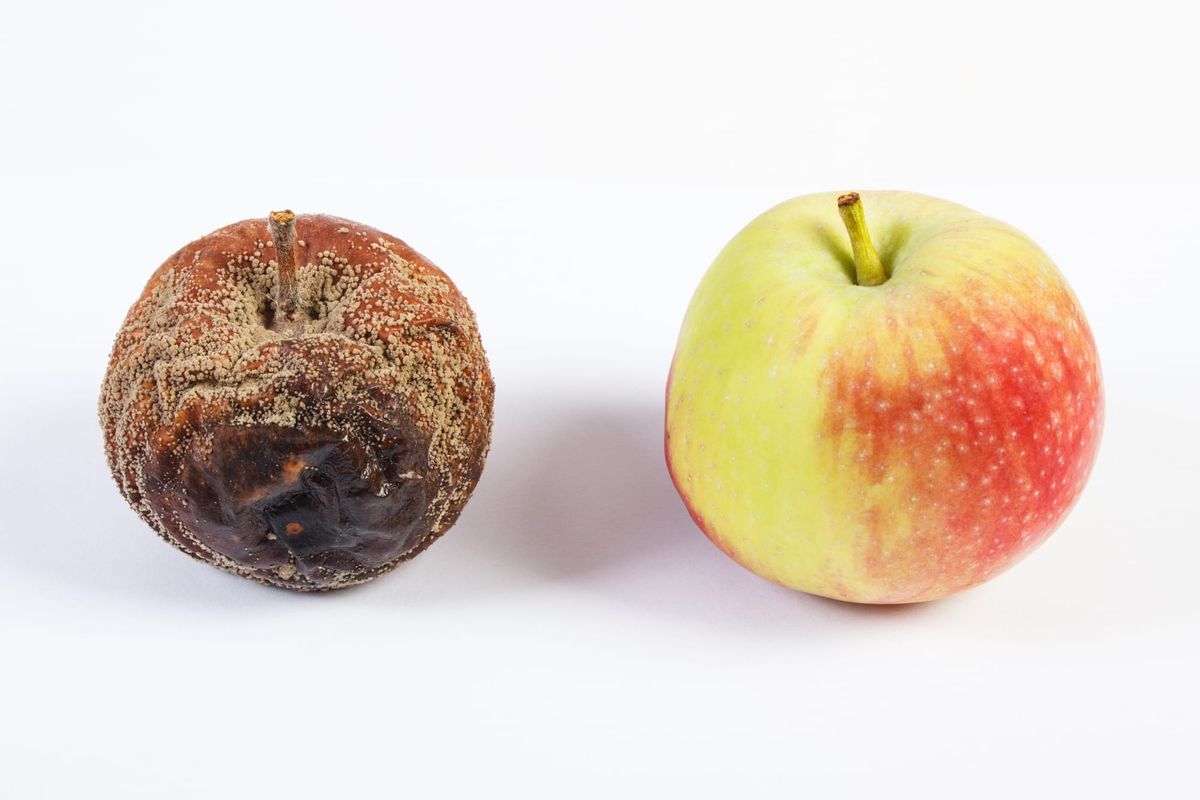
We’ve all heard the old adage: 'an apple a day keeps the doctor away.' It’s a simple, comforting piece of nutritional wisdom passed down through generations. But what if the apple you eat today is fundamentally different from the one your grandparents enjoyed? This isn't a nostalgic fantasy; it's a documented reality known as the nutrient depletion problem. The very soil our food grows in has changed, and as a result, so has the food itself.
This isn't about demonizing modern farming, which feeds billions. Instead, it's about understanding a quiet shift that has occurred over the last 50 to 70 years. The produce in our supermarkets-bred for size, shelf stability, and uniform appearance-often comes at a hidden cost: its nutritional potency. The vitamins and minerals we assume are packed into our fresh fruits and vegetables have been steadily declining, forcing us to rethink what 'healthy eating' truly means in the 21st century.
The Great Decline: What the Data Shows
This isn't just a feeling or a theory; it's a phenomenon backed by decades of research. One of the most-cited studies, published in the British Food Journal, analyzed nutrient data from 1930 to 1980 and found significant drops in minerals in fruits and vegetables. For example, the average calcium content in vegetables had dropped by 19%, iron by 22%, and potassium by 14%. Another landmark study from the University of Texas in 2004 compared USDA nutritional data from 1950 and 1999 for 43 different crops. The findings were consistent: noticeable declines in protein, calcium, phosphorus, iron, riboflavin, and vitamin C.
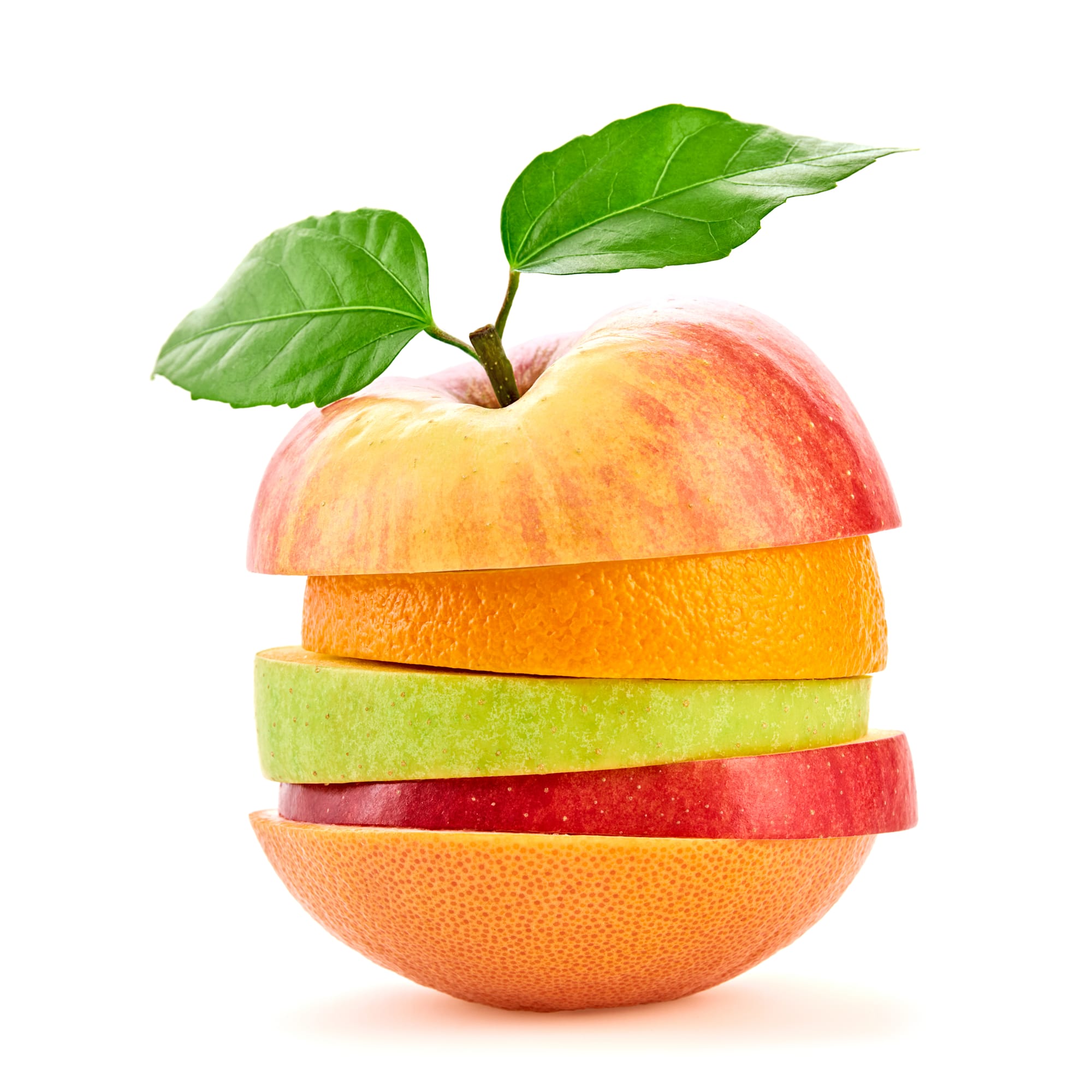
The central question becomes, why is this happening? The answer lies in a combination of how we treat our soil and what we ask of our plants. Modern agricultural practices have prioritized yield and efficiency above all else. This focus has inadvertently created a system where our food looks better and lasts longer but may offer less of the foundational nutrition our bodies need. It’s a trade-off many of us never even knew we were making.
Two Sides of the Same Coin: Soil and Genetics
The problem can be broken down into two interconnected issues: what we're growing our food in and what we're choosing to grow. On one side, we have the degradation of soil. Intensive farming methods, reliance on chemical fertilizers, and a lack of crop rotation have stripped much of our farmland of essential minerals and beneficial microorganisms. Healthy soil is a living ecosystem, and when it becomes depleted, it simply has less nutrition to pass on to the plants.
On the other side is the issue of genetic selection. Over the past century, plant breeders have selected for traits like rapid growth, high yield, and pest resistance. This is what's known as the 'genetic dilution effect.' As you breed a plant to get bigger and grow faster, its ability to manufacture or uptake nutrients doesn't keep pace. The result is that the same amount of vitamins and minerals gets spread out over a larger, more watery fruit or vegetable. This comparison highlights the fundamental shift in agricultural priorities.
- Heirloom Varieties: Generally selected for flavor, color, and nutritional content. They often grow slower, allowing more time to absorb nutrients from healthy soil. Their appearance can be irregular, but their flavor and nutrient profiles are often more complex.
- Modern Hybrids: Primarily selected for yield, uniformity, and transportability. They are designed to grow quickly and produce a consistent product, but this often comes at the expense of nutrient density and taste.
It's Not Just About the Plants
This nutrient depletion cascade doesn't stop with produce. It directly impacts the quality of our animal products as well. The vast majority of conventionally raised livestock-cattle, poultry, and pigs-are fed a diet consisting mainly of corn and soy. If those feed crops are grown in depleted soil and are themselves less nutritious, that deficiency is passed up the food chain. The resulting meat, eggs, and dairy products will have a less impressive nutritional profile than those from animals raised on nutrient-rich pasture.
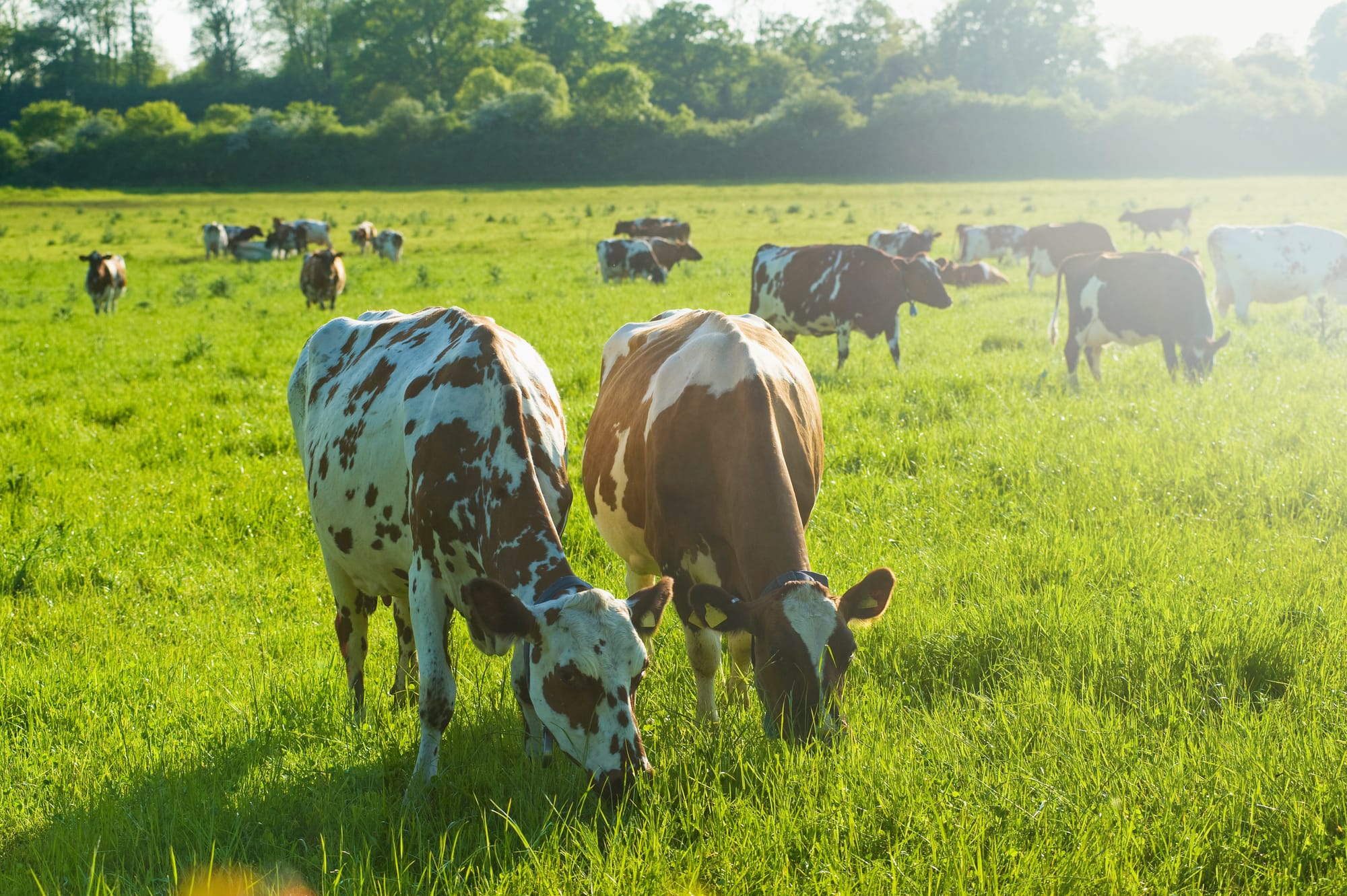
Here again, we see a clear comparison. An animal raised on pasture is consuming a wide variety of grasses and plants that draw nutrients from healthier, more complex soil ecosystems. This results in meat and dairy with higher levels of beneficial fats like omega-3s and fat-soluble vitamins. It's a direct reflection of the principle that we are not just what we eat, but what our food eats, too.
A Practical Strategy for Nutrient-Rich Eating
So, what can we do? Feeling overwhelmed is easy, but taking action is simpler than it seems. The goal isn't perfection; it's intention. By making more conscious choices, we can significantly improve the nutritional quality of our diets. It boils down to shifting our focus from quantity and appearance to quality and origin. This means becoming a more curious and engaged consumer.
- Source Smarter: Whenever possible, buy from local farmers' markets or consider a Community Supported Agriculture (CSA) share. These farmers often use more sustainable practices that prioritize soil health.
- Choose Diversity: Look for heirloom varieties of fruits and vegetables. They might look a little different, but they often pack more flavor and nutrition. Don't be afraid of 'ugly' produce.
- Prioritize Pasture-Raised: When buying animal products, look for labels like '100% grass-fed' for beef and dairy or 'pasture-raised' for poultry and eggs. This indicates a more natural and nutrient-dense diet for the animal.
- Cook Wisely: Preserve the nutrients you do get. Steaming or sautéing vegetables is often better than boiling them, which can cause water-soluble vitamins to leach out.
Recognizing the nutrient depletion problem isn't about creating food anxiety. It's about empowerment. The apple you eat today is still a healthy choice, packed with fiber and phytonutrients. However, understanding that it might be less nutritionally potent than its ancestors encourages us to be more deliberate in our eating habits. It means we might need to eat a wider variety of whole foods to get the same nutritional bang for our buck.
This knowledge invites us to reconnect with our food system on a deeper level. Supporting farmers who practice regenerative agriculture-methods that actively rebuild soil health-is one of the most powerful things we can do. These practices not only produce more nutritious food but also help restore our environment. Your choices at the grocery store or farmers' market are a direct investment in the kind of food system you want to see.
Ultimately, the path forward is one of awareness. Be curious about where your food comes from. Ask questions. Choose color and flavor over uniform perfection. By prioritizing food grown with care in healthy, living soil, we not only nourish our own bodies more effectively but also support a healthier, more resilient future for everyone.
Subscribe to our newsletter and get fresh ideas delivered straight to your inbox every week!