
The Great Health Food Lie: 7 ‘Healthy’ Foods You Should Avoid
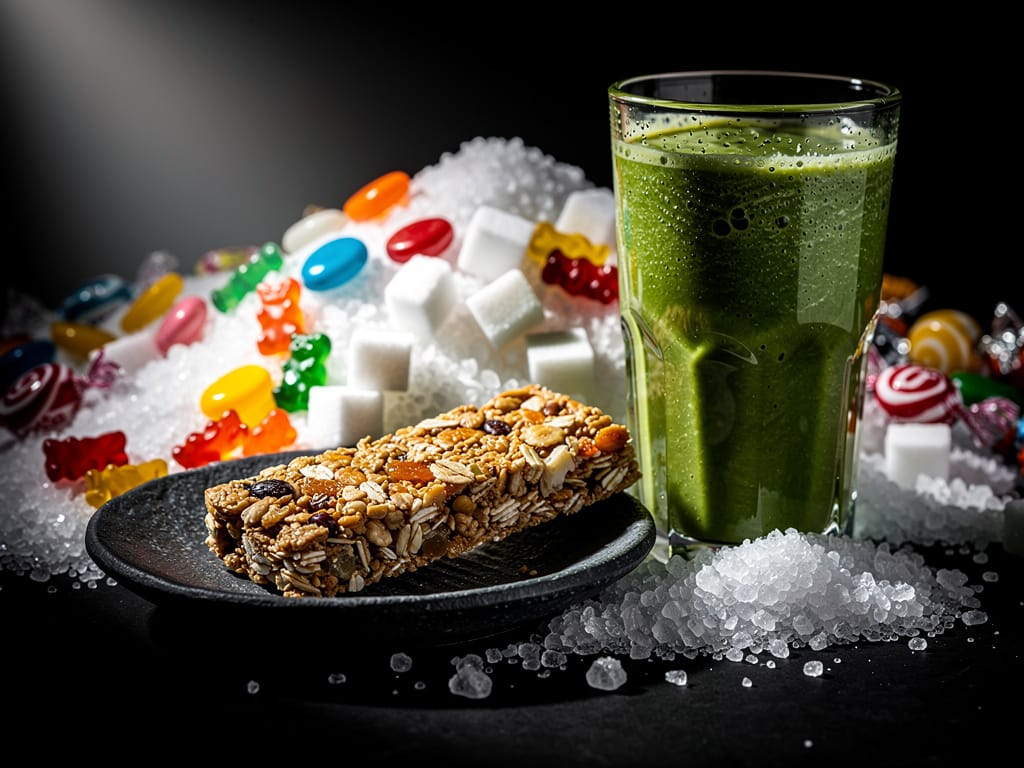
Navigating the Grocery Store Can Be Tricky...
Hey there, health-conscious friend! We've all been there: standing in the grocery aisle, trying to make the best choices for ourselves and our families. Labels shout things like "All-Natural!", "Low-Fat!", and "Made with Whole Grains!" It feels like we're making a great choice, but often, these health halos are just clever marketing for products that aren't as wholesome as they seem.
It's time to become a food detective! Let's pull back the curtain on seven common "healthy" foods that are often just junk food in disguise.
1. Flavored Yogurt
The Disguise: Yogurt is packed with protein and gut-friendly probiotics. What could be wrong?
The Reality: While plain yogurt is fantastic, those fruit-on-the-bottom or brightly colored flavored yogurts are a different story. Many single-serving containers are loaded with added sugars and artificial flavors, sometimes containing as much sugar as a candy bar. The "low-fat" versions are often the worst offenders, as manufacturers add extra sugar to compensate for the lack of flavor from fat.
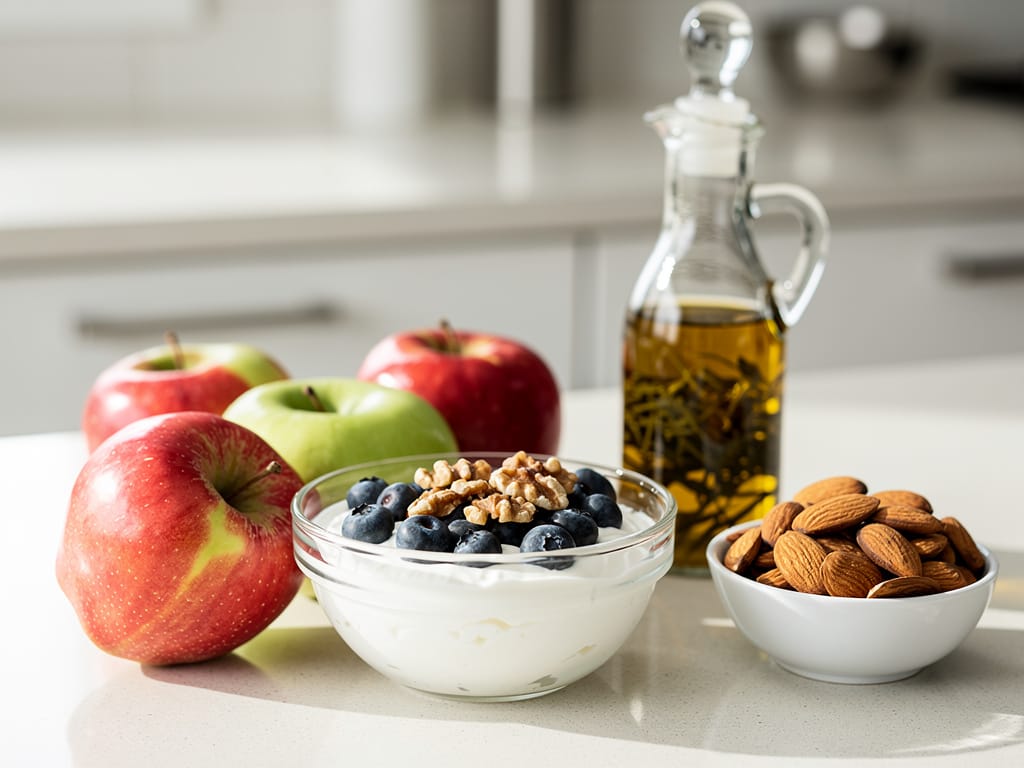
A Better Choice: Opt for plain, unsweetened Greek yogurt and add your own fresh berries, a sprinkle of cinnamon, or a tiny drizzle of maple syrup for natural sweetness and flavor.
2. Granola and Cereal Bars
The Disguise: Made with oats, nuts, and dried fruit, granola bars seem like the perfect on-the-go snack.
The Reality: Think of most commercial granola bars as candy bars wearing a hiking jacket. They are frequently bound together with various forms of sugar (corn syrup, brown rice syrup, cane sugar) and can be high in unhealthy fats and calories. That chocolate drizzle or yogurt coating? More sugar.
A Better Choice: Look for bars with a short ingredient list made from whole foods, or simply grab a handful of raw nuts and an apple.
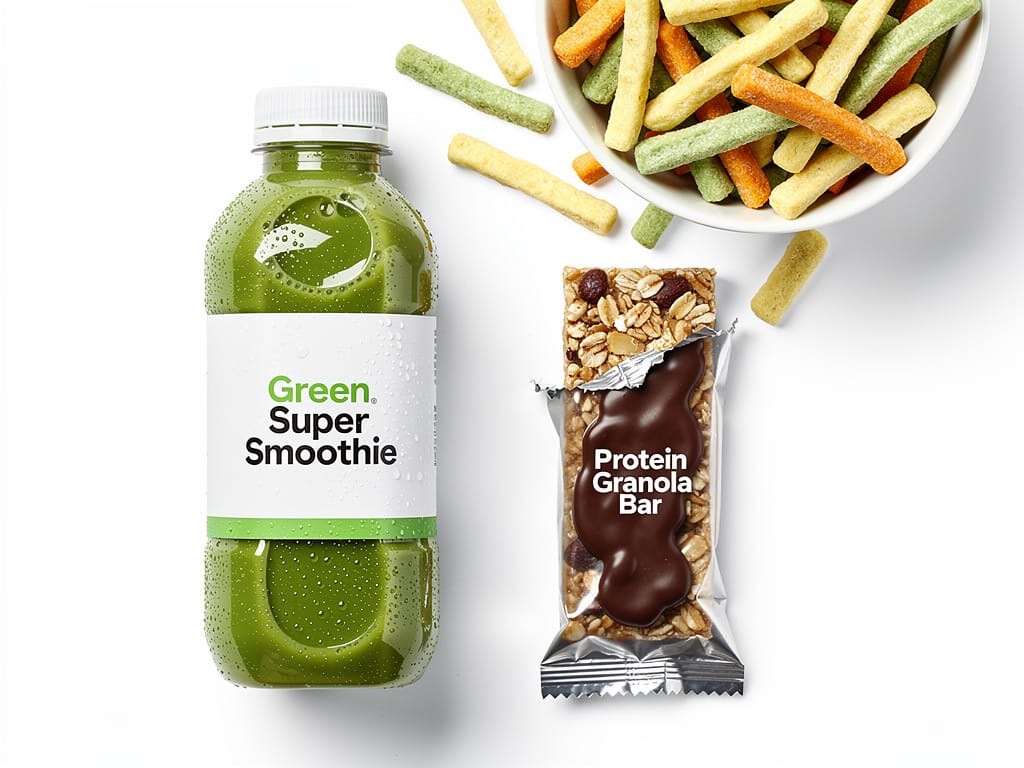
3. Veggie Chips and Straws
The Disguise: They have "veggie" in the name and pictures of vibrant vegetables on the bag. It's like a salad, but crunchy!
The Reality: Sorry to burst the bubble. Most veggie chips are made from potato starch or corn flour, fried, and then dusted with a tiny amount of vegetable powder for color and marketing. Nutritionally, they are often indistinguishable from regular potato chips, high in sodium and unhealthy oils.
A Better Choice: Craving crunch? Try actual vegetable sticks! Carrots, cucumbers, bell peppers, and celery with a side of hummus are a fantastic, fiber-rich alternative. Or, make your own kale or zucchini chips at home in the oven.
4. Bottled Smoothies and Fruit Juices
The Disguise: It's a convenient way to get your daily dose of fruit and vitamins in one delicious gulp.
The Reality: When fruit is juiced, its beneficial fiber is stripped away. What's left is essentially sugar water, which can spike your blood sugar levels. Many store-bought smoothies are also massive sugar bombs, often containing multiple servings of fruit and added sweeteners in a single bottle.
A Better Choice: Eat the whole fruit! If you love smoothies, make them yourself at home where you can control the ingredients, using whole fruits and vegetables to keep the fiber intact.
5. Low-Fat or Fat-Free Salad Dressing
The Disguise: You've made a beautiful, healthy salad. The logical next step is a low-fat dressing to keep it light, right?
The Reality: When food companies remove fat, they have to add something else to make the product taste good. In the case of salad dressings, that "something else" is usually a combination of sugar, high-fructose corn syrup, salt, and a list of artificial ingredients. Plus, healthy fats help your body absorb the fat-soluble vitamins in your salad greens!
A Better Choice: A simple, homemade vinaigrette is best. Just whisk together extra virgin olive oil, vinegar (balsamic, apple cider, or red wine), and your favorite herbs. It's delicious and genuinely healthy.
6. 'Healthy' Breakfast Cereals
The Disguise: The box proudly displays claims like "Made with Whole Grains" and "Fortified with Vitamins & Minerals."
The Reality: Many of these cereals, even the ones that aren't frosted, are highly processed and front-loaded with sugar. They are digested quickly, leading to a blood sugar spike and a subsequent crash that can leave you feeling hungry and tired just a couple of hours later.
A Better Choice: A bowl of plain oatmeal (not the pre-sweetened packets) or a couple of eggs will provide sustained energy with fiber and protein to keep you full until lunch.
7. Agave Nectar
The Disguise: Marketed as a natural, low-glycemic sweetener from a plant, agave seems like a perfect alternative to refined sugar.
The Reality: The agave nectar sold in stores is a highly processed sweetener. While it's low in glucose, it is incredibly high in fructose—even higher than high-fructose corn syrup. Large amounts of fructose can put a strain on your liver, just like other forms of sugar.
A Better Choice: Use all sweeteners in moderation. A small amount of pure maple syrup or raw honey can be a slightly better option, or try using whole foods like mashed bananas or dates to sweeten your recipes.
The Takeaway: Be a Label Detective
The front of the package tells a story, but the nutrition facts and ingredients list tell the truth. Don't let clever marketing derail your wellness journey. By focusing on whole, minimally processed foods, you empower yourself to make truly healthy choices. You've got this!