
The Salt Paradox: Why Your "Healthy" Low-Sodium Diet Is Harming Your Metabolism
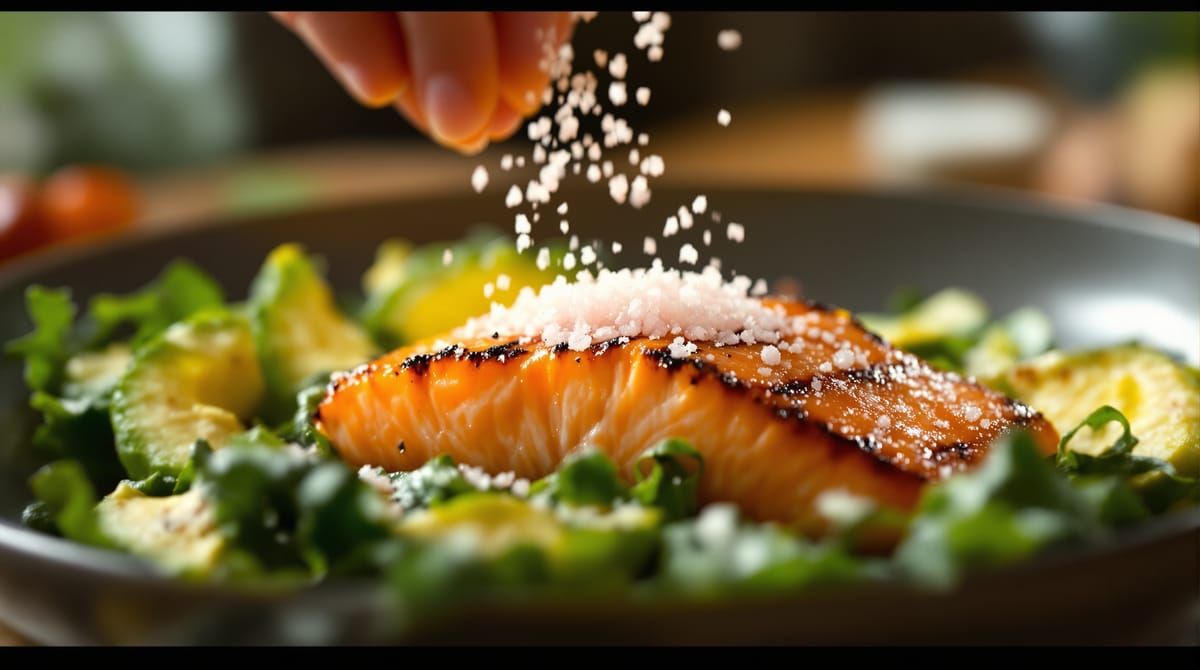
You've been told to fear salt. You diligently check labels and avoid the shaker. You think you're making the healthy choice.
But what if this common advice is a dangerous oversimplification?
The war on salt has a hidden casualty: your metabolic health. For active people eating a whole-foods diet, the real risk isn't too much salt-it's too little.
The Real Sodium Villain Isn't Your Salt Shaker
Let's be clear. The recommendation to lower sodium intake didn't come from nowhere. It came from a food environment saturated with ultra-processed products packed with sodium to enhance flavor and extend shelf life.
The top sources of sodium in the modern diet aren't the crystals you sprinkle on your eggs. They are breads, cold cuts, pizza, soups, and other packaged goods. According to Harvard Health, these processed items are where the vast majority of our excess sodium intake comes from.
When you clean up your diet and ditch these foods, you inadvertently slash your primary source of sodium. This is where the problem begins.

Why Your Metabolism Demands Salt
Sodium is not a villain. It's an essential electrolyte critical for survival. It plays a central role in nerve transmission, muscle function, and, most importantly, fluid balance.
Your metabolic machinery depends on this balance. Proper hydration isn't just about drinking water; it's about getting that water inside your cells, a process orchestrated by sodium.
When sodium levels drop too low-a condition called hyponatremia-it can lead to a cascade of metabolic problems. Symptoms can range from fatigue, muscle cramps, and brain fog to more severe issues like confusion and seizures.
Emerging research points to a "U-shaped" risk curve for salt. This means both excessively high *and* inappropriately low intakes can negatively impact cardiovascular health and insulin sensitivity, as detailed in a guide by Levels Health. Your body thrives in the "sweet spot," not at zero.
Are You Consuming Too Little Salt?
If you've switched to a whole-foods diet and increased your physical activity, you are a prime candidate for insufficient sodium intake. Here’s why:
- You cut the source: Whole foods like vegetables, fruits, and fresh meats are naturally very low in sodium.
- You sweat it out: Exercise, especially in the heat, causes you to lose significant amounts of sodium through sweat.
- You're well-hydrated: Drinking large amounts of plain water without replacing electrolytes can further dilute your blood sodium levels, a major risk for athletes.
Ignoring your body's need for salt can stall your progress, leaving you feeling lethargic and weak despite your "perfect" diet.

Your 4-Step Strategic Salt Reset
Reclaiming your metabolic energy requires a smarter approach to salt. It's not about restriction; it's about strategic replenishment. This is how you do it.
- Ditch the Real Enemy: The most impactful step is to eliminate ultra-processed and packaged foods. This single action removes the primary source of unhealthy, excessive sodium from your diet.
- Embrace Unrefined Salt: Switch from standard table salt to mineral-rich options like sea salt or pink Himalayan salt. These contain trace minerals and are free from anti-caking agents found in processed salt. Use it to season your home-cooked meals to taste.
- Start Your Day with Electrolytes: Add a small pinch (about 1/4 teaspoon) of unrefined salt to a large glass of water first thing in the morning. This helps you rehydrate more effectively after a night of sleep.
- Listen to Your Cravings: A sudden craving for something salty is often a direct biological signal from your body that it needs sodium. Honor it by having a healthy, salted snack or adding a bit more salt to your next meal.
Stop fearing a vital mineral. By understanding the difference between industrial sodium and essential sodium, you can turn salt from a perceived enemy into one of your most powerful allies for sustained energy and robust metabolic health. For more on the causes and symptoms of low sodium, you can read the overview from the Mayo Clinic.