
Vitamin C: Are You Taking It the Right Way?
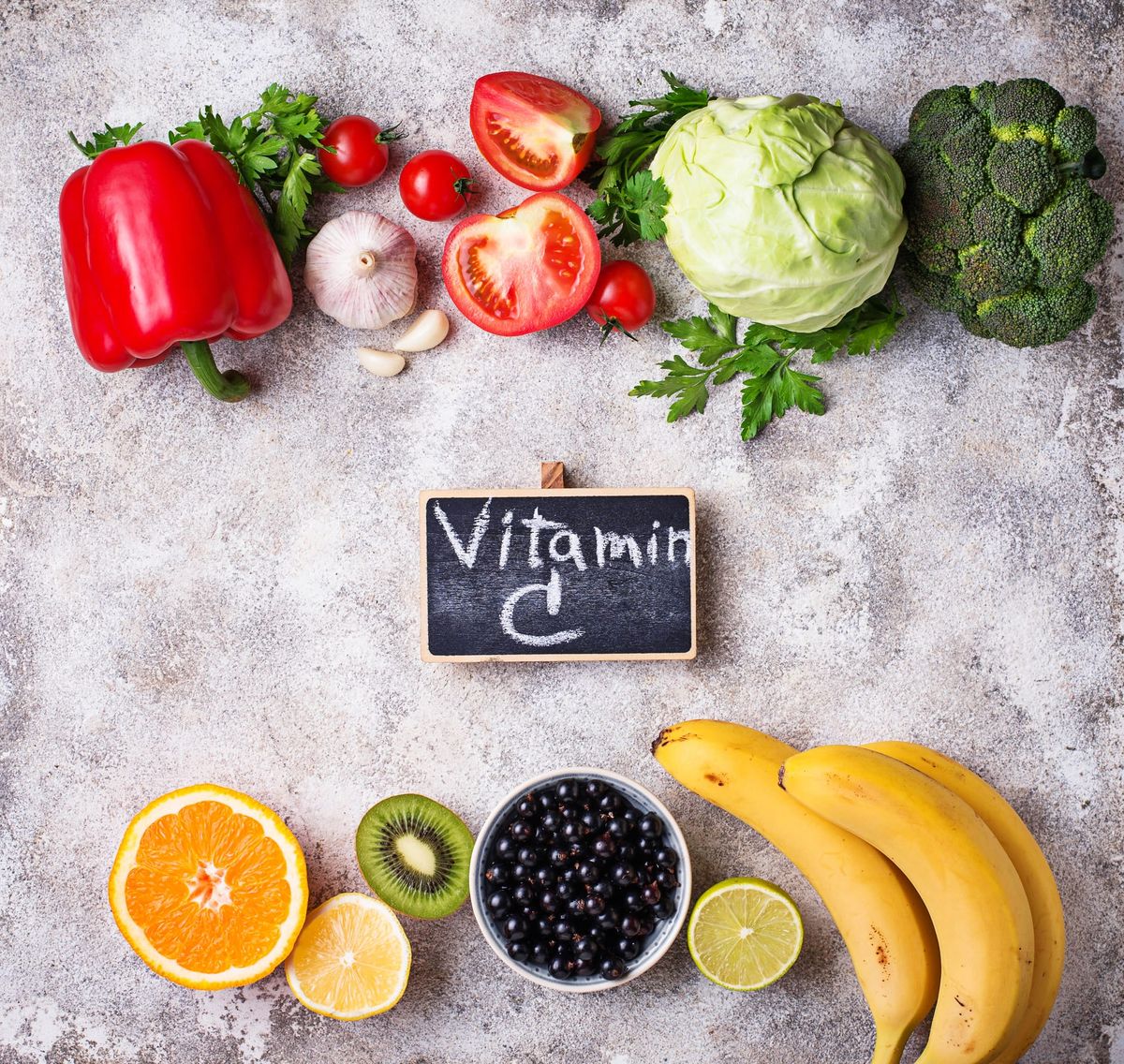
Let's Talk About Vitamin C
Okay, let's have a real chat. You've probably heard about Vitamin C a million times, right? It's that friend everyone calls when they start feeling a little... off. And for good reason! It’s a powerhouse nutrient that does so much for our bodies.
While I'm a huge believer in getting everything you can from your food, sometimes life gets in the way. That's where a good supplement can step in to lend a hand. But the supplement aisle can feel like a maze. So, how do you pick the right one and actually make it work for you?
Let's break it down, coffee-in-hand style.
Why We're So Obsessed with It
So, what's the big deal anyway? Think of Vitamin C as your body's personal support crew.
Here's the scoop:
- Immune System's Best Bud: It's famous for helping keep your immune system in fighting shape.
- Glow-Up for Your Skin: It plays a huge part in making collagen, which is basically the scaffolding that keeps your skin looking plump and healthy.
- Antioxidant Power: It helps protect your cells from the daily grind and environmental stress. It's like a little bodyguard for your insides.
Pretty cool, right?

First Things First: Eat the Rainbow
Before you even think about a supplement, look at your plate. Seriously. Your best, most effective source of Vitamin C is always going to be whole foods. Your body knows exactly what to do with them.
You'll find it packed into:
- Citrus fruits (oranges, grapefruit)
- Bell peppers (especially the red ones!)
- Strawberries and kiwis
- Broccoli and Brussels sprouts
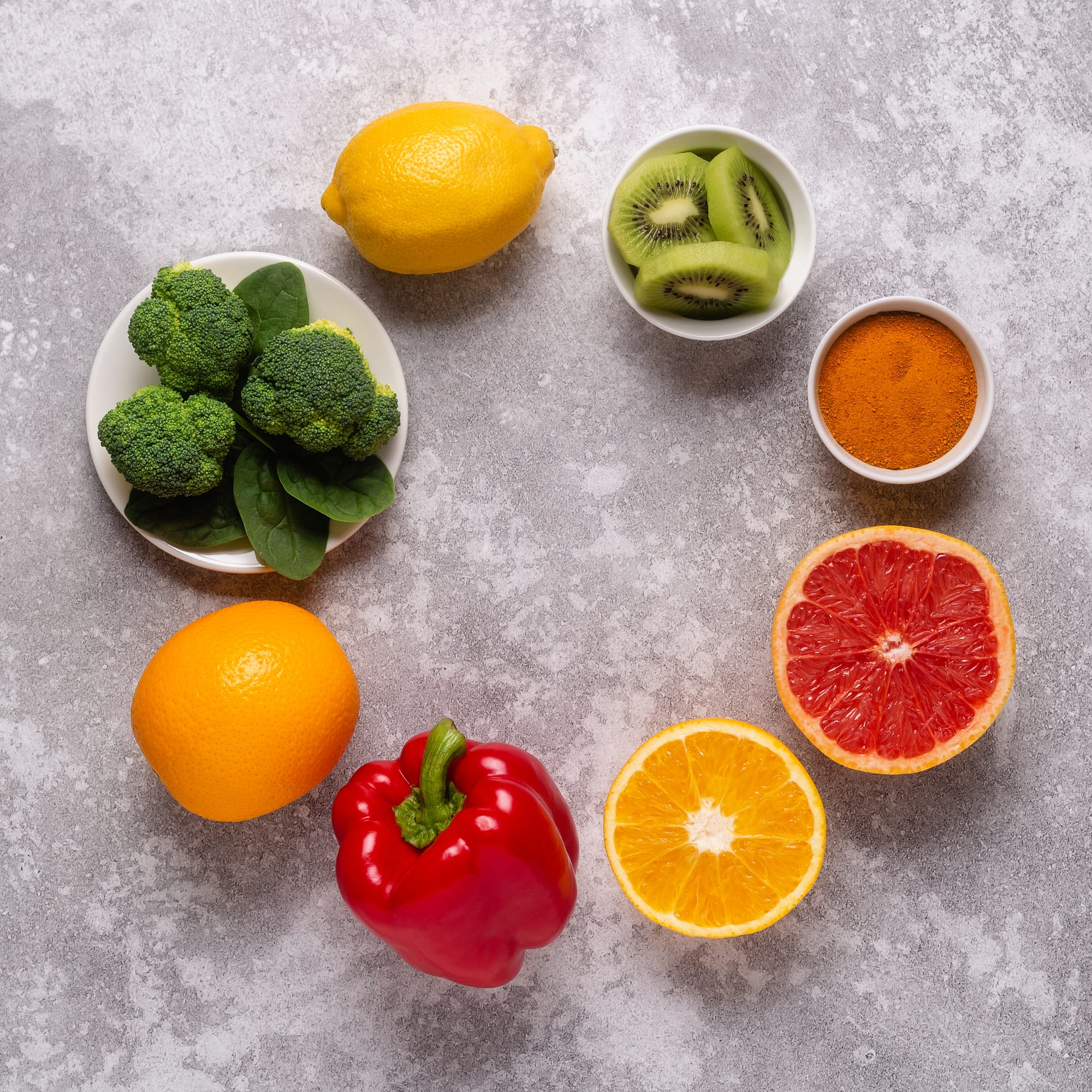
A colorful diet is your foundation. A supplement is just that-a supplement to an already good thing.
Navigating the Supplement Aisle
If you and your doctor decide a supplement is a good idea, you’ll see a few different kinds. Don't let the fancy names scare you.
The Main Types You'll See:
- Ascorbic Acid: This is the most basic, straightforward form of Vitamin C. It's what you naturally find in foods and is usually the most affordable. For most of us, it works just great.
- Buffered Vitamin C: If you have a sensitive stomach, you might see options like calcium ascorbate or sodium ascorbate. They are simply ascorbic acid combined with a mineral to make them a bit gentler.
- Liposomal Vitamin C: This is a fancier version where the vitamin is wrapped in a tiny layer of fat. The idea is to help your body absorb it more easily. It's often pricier, and not always necessary for everyone.
Remember, simple is often best. Don't feel pressured to buy the most expensive bottle on the shelf. The most important thing is finding what works for you and your body.
Making It Count
Once you've picked one, how do you take it? Consistency is key. Taking it with a meal can be a good move, as it might help with absorption and is usually easier on your stomach.
But here’s the most important piece of advice I can give you.
The golden rule is to always follow the instructions on the product label and, most importantly, chat with your doctor or a trusted healthcare provider. They know your personal health story and can give you the best guidance for your unique needs. They're your number one resource.
So there you have it. It’s not about finding a magic pill, but about giving your body a little extra support when it needs it. You've got this!
Stay in the loop with the latest health tips, delicious recipes, and wellness advice - subscribe to our newsletter now!