
Debunked: 5 Popular Nutrition Myths That Are Keeping You From Your Health Goals
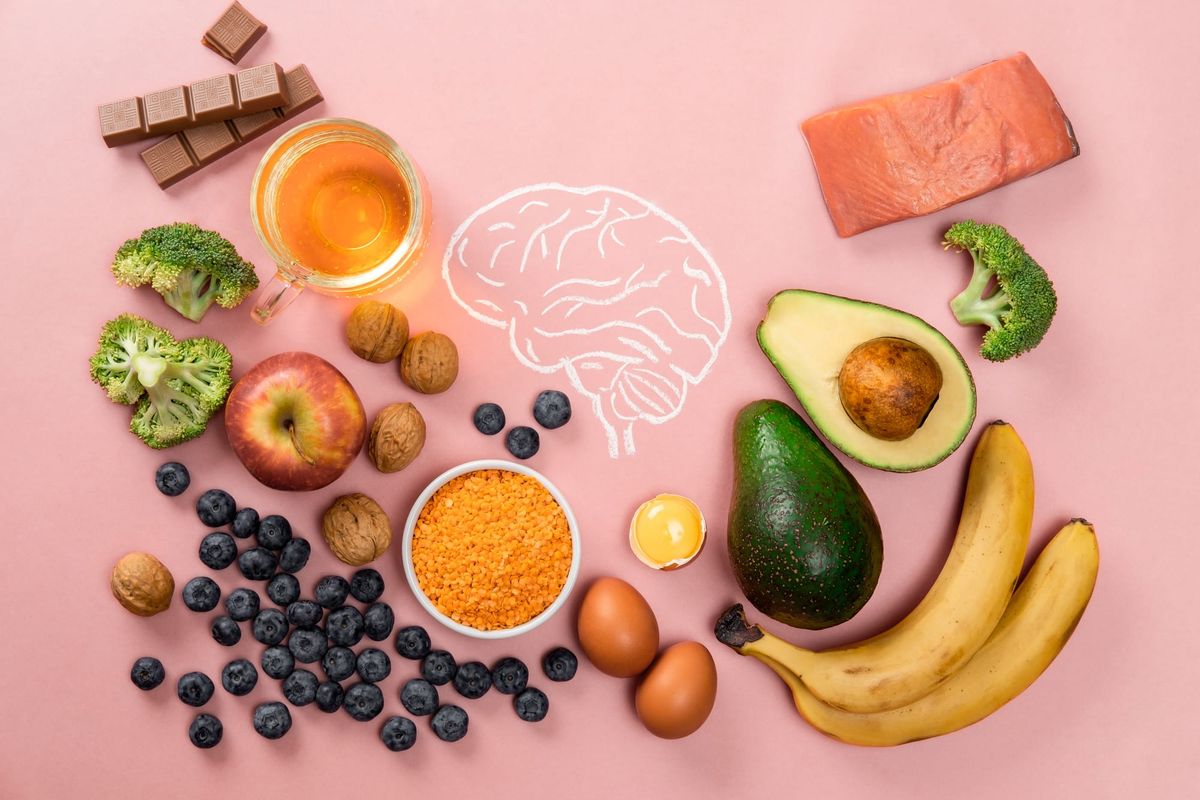
There’s no shortage of nutrition advice out there, but much of it is either outdated or plain wrong. How many times have you heard that eating carbs after 6 pm will make you gain weight, or that all fats are bad for you?
We’ve all been bombarded with confusing messages about what’s “good” and “bad” for our bodies. But the truth is, many popular nutrition myths and misconceptions are nothing but misinformation.
In today’s article, let’s bust some of the most common myths and arm you with the real facts you need to make smarter food choices for better health!
1. “Carbs Make You Fat”
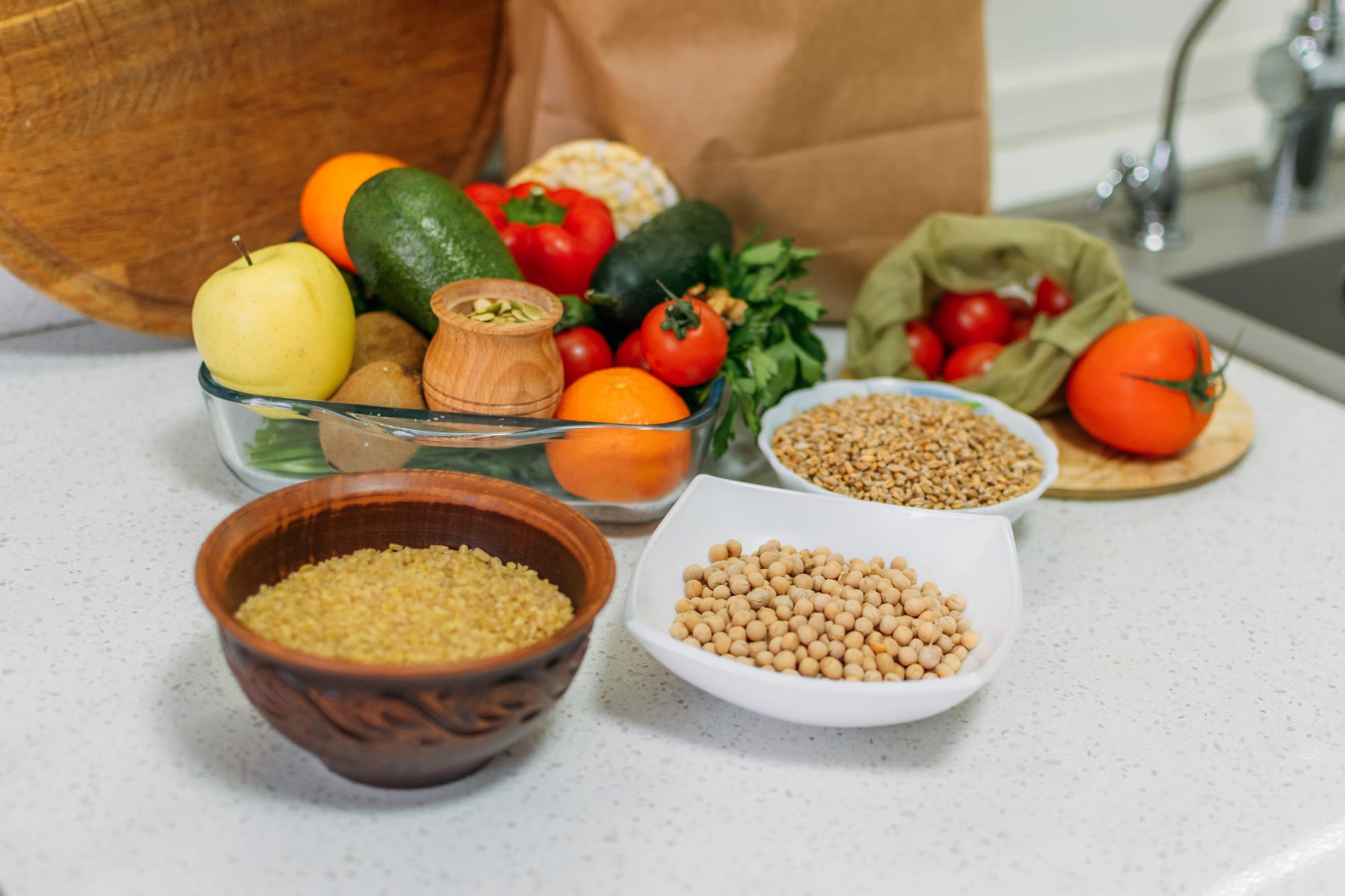
This might be one of the most damaging myths out there. Carbohydrates have gotten a bad reputation, but they’re not inherently fattening. In fact, complex carbs from whole grains, vegetables, and fruits are an essential part of a balanced diet.
Why it’s a myth:
When consumed in their whole food form, carbs provide your body with sustained energy, fiber, and vital nutrients. The problem lies in refined carbs and added sugars-not all carbs are created equal.
What you should know:
Eating whole grains like quinoa, brown rice, and oats, as well as plenty of fruits and vegetables, actually supports weight management by stabilizing blood sugar and providing essential nutrients.
2. “All Fats Are Bad”
For years, fat has been demonized in the nutrition world. People started cutting out healthy fats in their diets, thinking it would help with weight loss. But this is a huge misunderstanding!
Why it’s a myth:
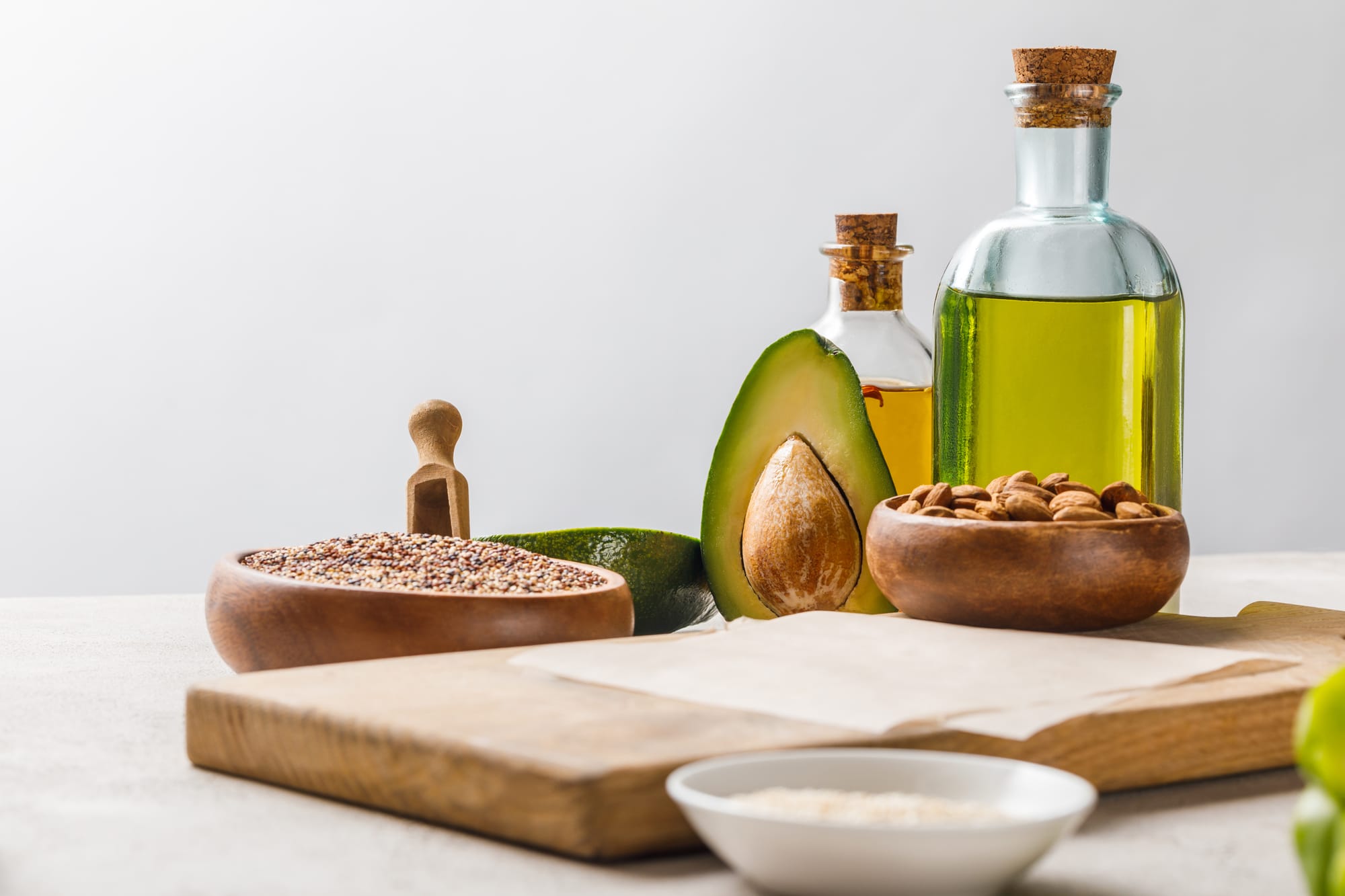
Fats are essential for your body-they support hormone production, help absorb fat-soluble vitamins (A, D, E, K), and protect your organs. The key is choosing the right fats. Healthy fats from sources like avocados, nuts, seeds, and olive oil are great for your heart, metabolism, and overall health.
What you should know:
It’s the trans fats and excessive saturated fats found in processed junk food that should be avoided, not healthy fats. So, don’t shy away from avocados, nut butters, or a drizzle of olive oil over your salad!
3. “Eating After 6 pm Will Make You Gain Weight”
Many people believe that eating food after 6 pm or 7 pm causes weight gain. The idea is that your body "shuts down" at night and doesn't burn calories, so food consumed late in the day automatically turns into fat.
Why it’s a myth:
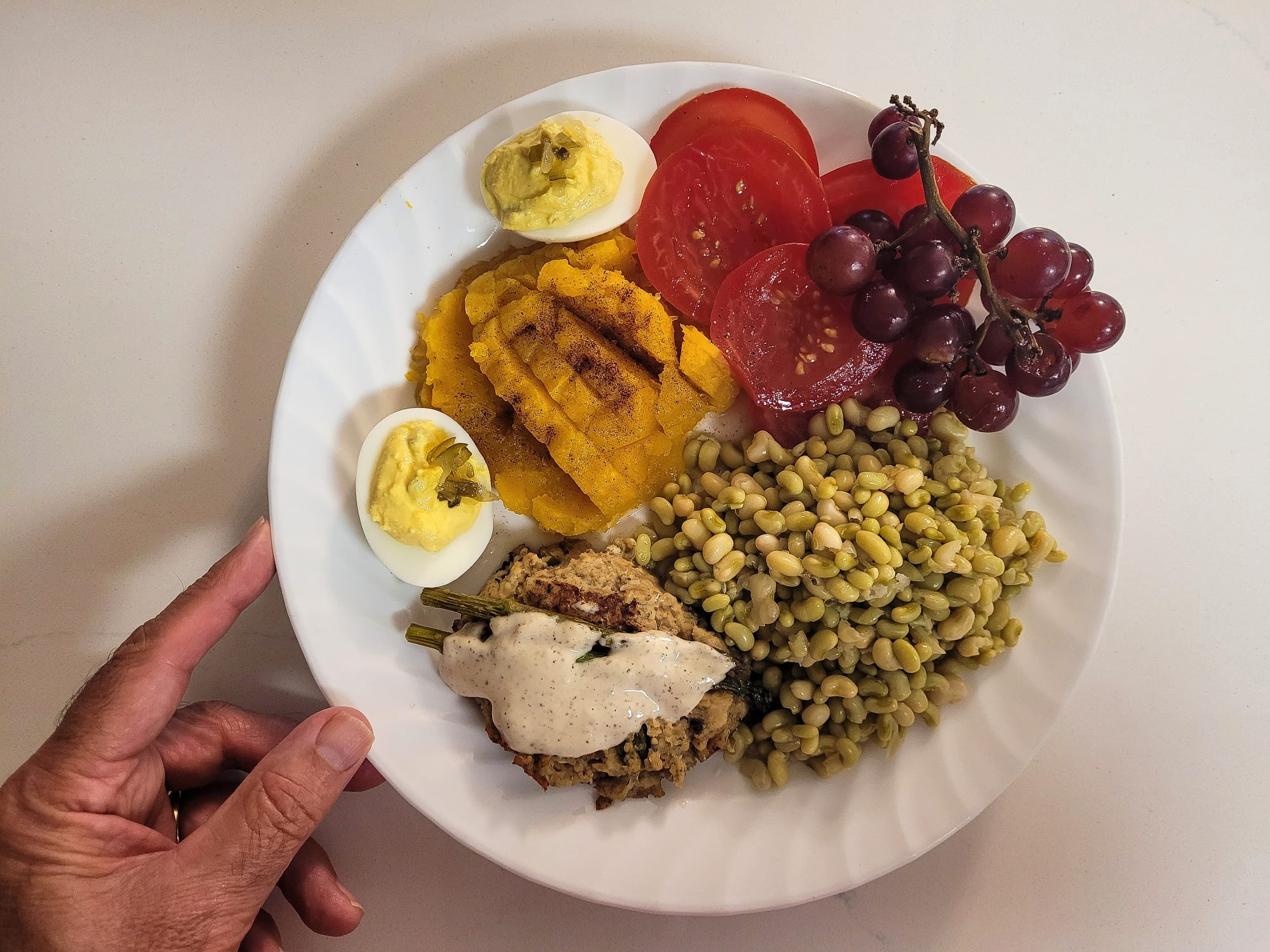
It’s not about when you eat, but how much you eat and what types of foods you choose. Your body continues to burn calories while you sleep, as long as you’re in a caloric balance (meaning you're not eating more than you need).
What you should know:
Eating large portions or high-calorie foods late at night can contribute to weight gain, but a balanced meal or snack before bed can actually support digestion and help you sleep better!
4. “Eating Fatty Foods Will Raise Your Cholesterol”
This myth is deeply rooted in the belief that dietary fats directly raise your blood cholesterol levels. While it's true that saturated fats can affect cholesterol levels, not all fats are created equal.
Why it’s a myth:
Healthy fats, like monounsaturated fats in olive oil and omega-3 fatty acids in fish, can actually improve cholesterol levels and reduce inflammation. It's the trans fats (found in many processed foods) that you need to avoid, as they can raise LDL (bad cholesterol) and lower HDL (good cholesterol).
What you should know:
Instead of fearing fats, focus on healthy fats in moderation. Eating a balanced diet with foods like fatty fish, nuts, and avocados is great for both your heart and your metabolism.
5. “Supplements Are Better Than Food”
Many people rush to supplements for quick fixes, thinking that they can replace real, whole food. While supplements can be beneficial in certain cases (like Vitamin D or omega-3s), they are not a replacement for a healthy, balanced diet.
Why it’s a myth:
Whole foods are packed with not only vitamins and minerals but also fiber and other important nutrients that supplements just can't provide. Your body absorbs nutrients from food more effectively than from pills or powders.
What you should know:
Get your nutrients from real, whole food whenever possible. Supplements should be supplemental-not your primary source of nutrition.
Final Thoughts: Empower Yourself with Knowledge!
The world of nutrition is full of myths and misconceptions, but now you’re equipped with the truth! By focusing on whole foods, balanced meals, and listening to your body, you’ll set yourself up for long-term health and well-being.
Remember: Nutrition isn’t about extremes or quick fixes. It’s about understanding your body and fueling it with what it truly needs.
Want More Science-Backed Nutrition Tips?
Subscribe to our newsletter for weekly health tips, simple recipes, and easy nutrition advice straight to your inbox!
Scientific Evidence:
- Studies show that healthy fats help improve cholesterol levels, rather than worsen them: Journal of the American Heart Association
- Research on low glycemic index fruits and their role in stable blood sugar levels: National Library of Medicine