
Fueling Your Metabolism: Why Yesterday’s Carbs Are Your Best Friend
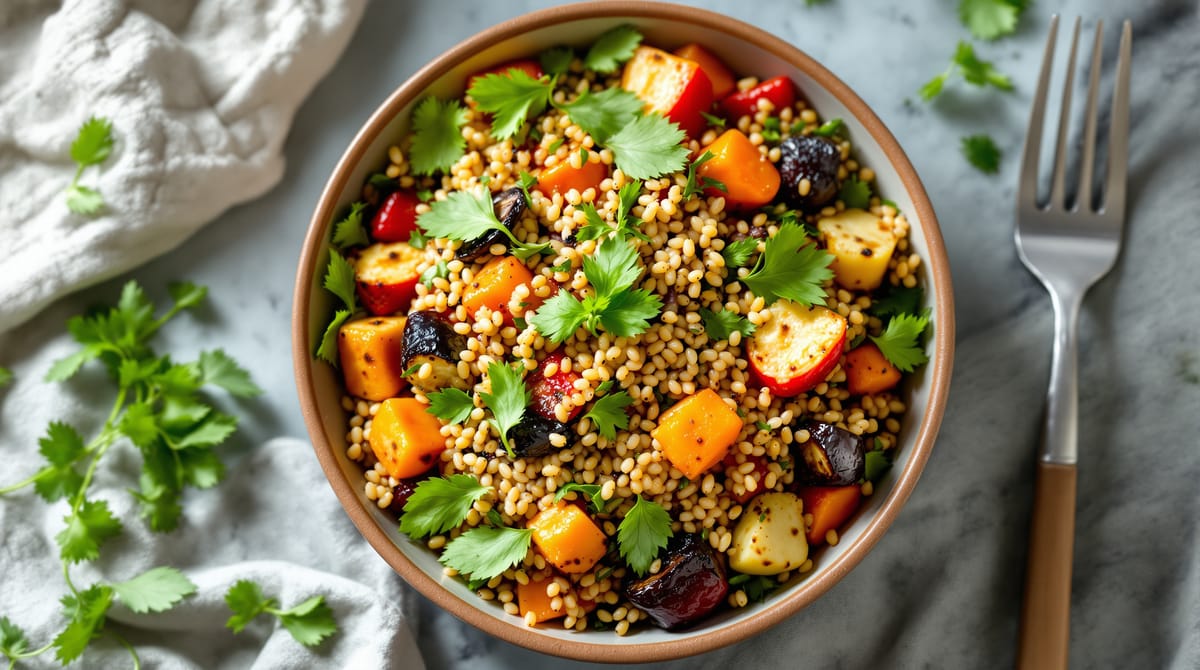
You meal-prepped a big batch of rice. You boiled potatoes for dinner. Then you ate them hot, fresh, and steaming.
That was a mistake.
You just missed the single most powerful opportunity to transform a simple starch into a metabolic powerhouse. The secret isn't what you cook, but when you eat it. And it involves a strategic 24-hour wait.
Meet Resistant Starch: The Carb That Acts Like a Fiber
Most starches are quickly broken down into glucose in your small intestine, causing a rapid spike in blood sugar.
Resistant starch is different. It "resists" digestion, traveling intact to your large intestine. There, it doesn't feed you-it feeds the trillions of beneficial bacteria in your gut.
This simple act of feeding your microbiome unleashes a cascade of metabolic benefits.
The Cook-and-Cool Transformation
How do you create this metabolic superfuel? It’s a process called retrogradation, and it couldn't be simpler.
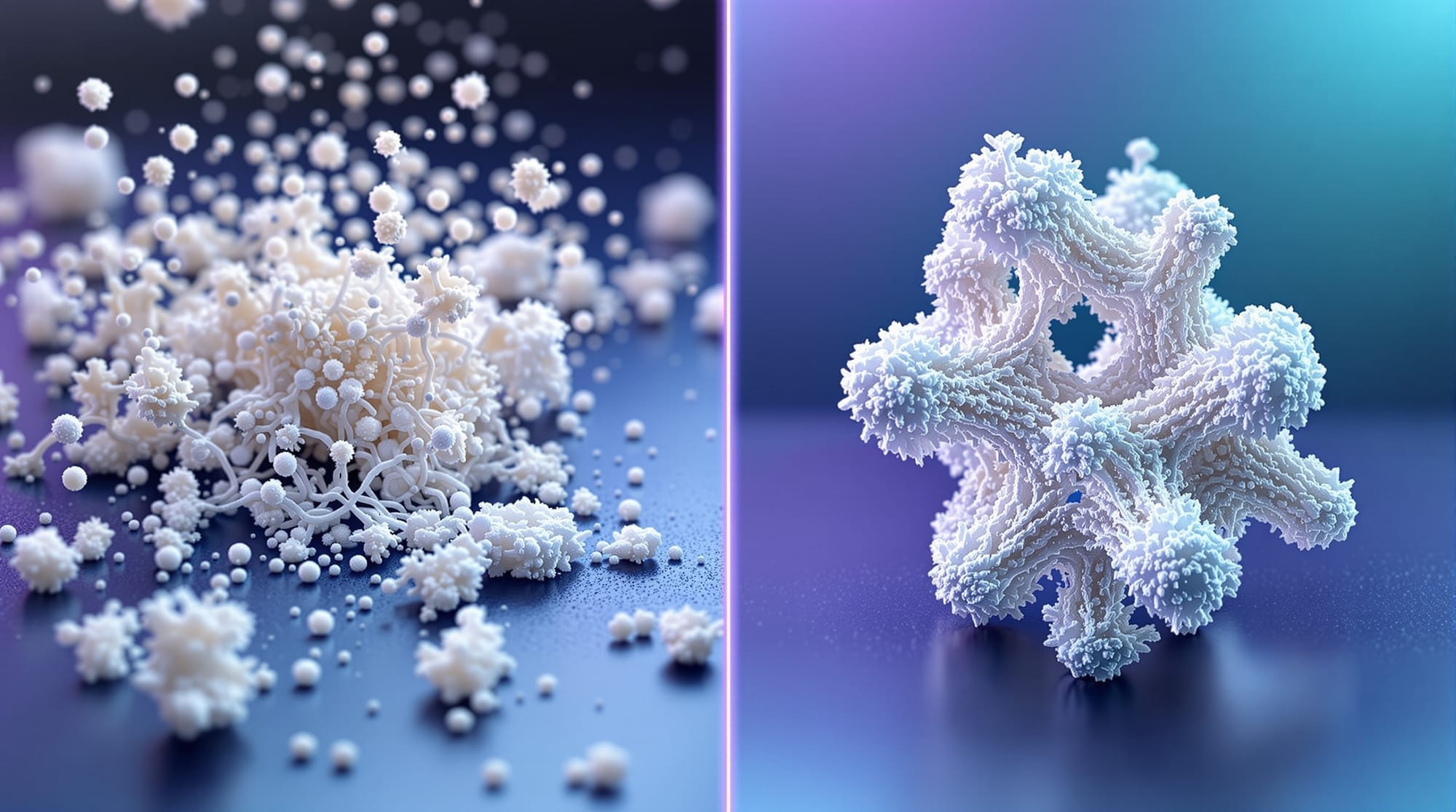
When you cook starchy foods like potatoes, rice, or pasta, their molecular structure opens up, making them easy to digest. But when you cool these foods in the refrigerator for 12-24 hours, that structure changes. The starch molecules crystallize into a new form that your digestive enzymes can't easily break down.
This new, resilient structure is Type 3 resistant starch-a powerful prebiotic fiber you created just by using your fridge.
The Three Pillars of the Cooldown Effect
Harnessing resistant starch isn't just a nutritional novelty; it's a strategic move for long-term metabolic health. The benefits are concrete and well-documented.
1. It Blunts Your Blood Sugar Response
Because resistant starch isn't rapidly converted to glucose, it helps stabilize blood sugar levels after a meal. Studies have shown that eating cooked-then-cooled rice can lead to a significantly lower glycemic response compared to eating it fresh. This helps improve insulin sensitivity, a cornerstone of metabolic health.
2. It Supercharges Your Gut Health
In your colon, beneficial bacteria ferment resistant starch, producing short-chain fatty acids (SCFAs), most notably butyrate. Butyrate is the primary fuel source for the cells lining your colon, helping to strengthen the gut barrier, reduce inflammation, and support a thriving microbiome. According to research highlighted by Gut Microbiota for Health, resistant starch from potatoes is particularly effective at increasing butyrate production.
3. It Enhances Satiety and Weight Management
Foods rich in resistant starch can increase feelings of fullness, helping you reduce overall calorie intake without feeling deprived. By acting more like a fiber, it slows down digestion and promotes sustained energy, helping to curb the cravings that often follow a high-carb meal.
Your 4-Step Action Plan for Creating Resistant Starch
Integrating this into your routine is simple. It’s about planning ahead, not overhauling your diet.
- Step 1: Choose Your Starch. This method works wonders with potatoes, sweet potatoes, white and brown rice, pasta, oats, and legumes like beans and lentils.
- Step 2: Cook as Usual. Boil, steam, or roast your starches just as you normally would. No special techniques are required here.
- Step 3: Cool Completely. This is the critical step. Once cooked, let the food cool and then refrigerate it for at least 12 hours, though 24 hours is even better for maximizing resistant starch formation.
- Step 4: Eat Cold or Reheat Gently. You can enjoy your cooled starches in salads (think potato salad or pasta salad) or reheated. While some resistant starch is lost upon reheating, a significant amount remains. A study in the Asia Pacific Journal of Clinical Nutrition confirmed that even after reheating, cooled rice produced a lower glycemic response.
Make Your Leftovers Work for You
Stop seeing leftovers as a mere convenience. Start treating them as a strategic tool for metabolic engineering.
By simply cooking your starches a day in advance, you fundamentally change their nutritional profile for the better. This isn't a complex biohack; it's an ancient, intuitive practice confirmed by modern science, as explained by resources from Johns Hopkins Medicine.
This week, don't just cook dinner. Cook tomorrow's fuel.