
Are Protein Supplements Worth It? Here's What You Need to Know Before You Buy

Okay, let's have a real chat. You walk into a health food store, and it hits you - a wall of giant plastic tubs. Whey, casein, soy, pea, hemp... it's a lot. And every single one promises to build muscle, boost recovery, and change your life.
It’s enough to make your head spin. I've been there. You're probably wondering, 'Do I actually need this stuff? Is it just expensive powder, or is there something to it?'
So, grab a coffee. Let's cut through all the noise together. I’m going to give you a simple, no-fluff blueprint to figure this out once and for all.
The First Question: Do You *Actually* Need It?
Before we even talk about brands or types, we have to start here. And I want to be super clear about this.
Here's the truth: No one *needs* a protein supplement.
Whole foods are, and always will be, the gold standard. Getting your protein from chicken, fish, eggs, beans, lentils, and tofu gives you so much more than just protein. You get fiber, vitamins, minerals, and all the good stuff that works together to keep you feeling great. Supplements are just that - they are meant to supplement a good diet, not replace it.
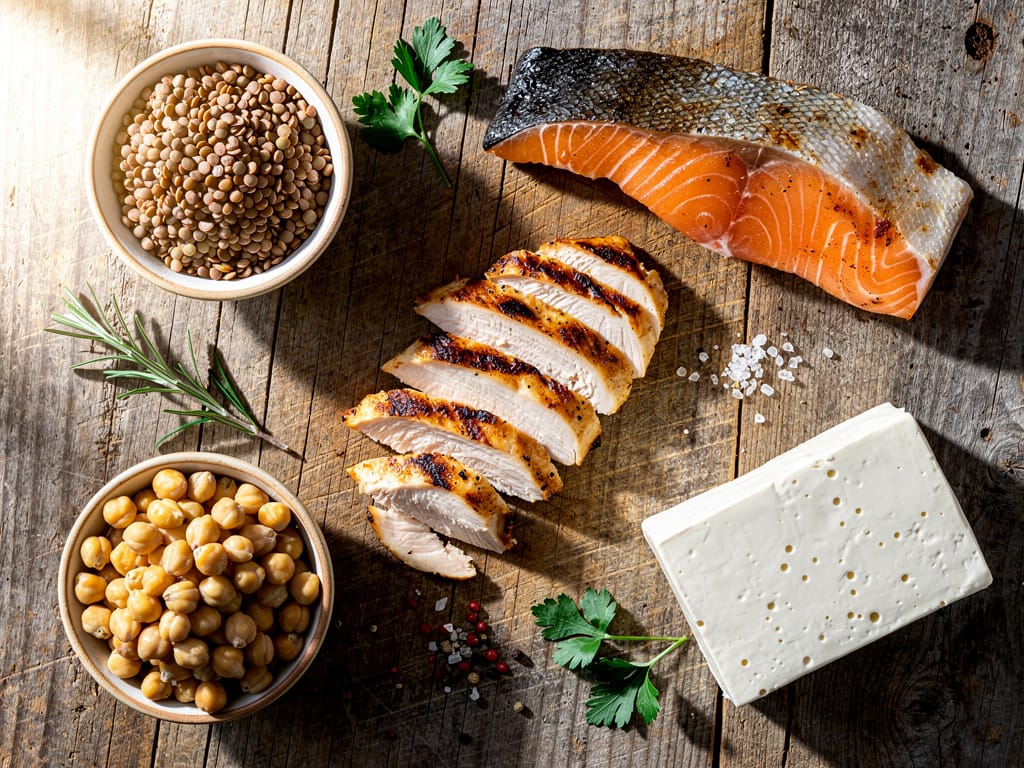
Think of It as a Tool, Not a Requirement
A hammer is a great tool if you need to build a bookshelf. But you wouldn't use it to stir your soup. Protein powder is the same. It's a fantastic tool for specific situations, but it's not the answer to every nutritional problem.
So, when is it a useful tool? Let's get into the blueprint.
The 'When It Makes Sense' Blueprint
I've found that supplements can be a game-changer for people in a few specific buckets. See if any of these sound like you:
- The Time-Crunched Professional: Your schedule is packed. You barely have time for lunch, let alone cooking a protein-rich meal after a morning workout. A quick shake can be a lifesaver to keep you full and help you recover.
- The Plant-Based Eater: If you're vegetarian or vegan, hitting your protein goals can sometimes be a challenge. A good plant-based protein powder can help you easily fill in any gaps without having to eat a mountain of beans.
- The Serious Athlete: If you're training hard for a specific goal, your protein needs are higher than the average person's. A supplement can be an efficient way to support muscle repair and growth without feeling overly full from whole foods.
- The Picky Eater or Someone with a Small Appetite: Sometimes, it's just plain hard to eat enough. A simple shake can deliver a solid dose of nutrition when a big meal feels like too much.
If you don't fit into one of these buckets, you can probably save your money and focus on getting great protein from your meals. It's that simple.
Your 3-Step Checklist Before You Buy
Decided a supplement might be right for you? Great. Don't just grab the first tub you see. Let’s walk through a quick checklist to make sure you're getting something good.
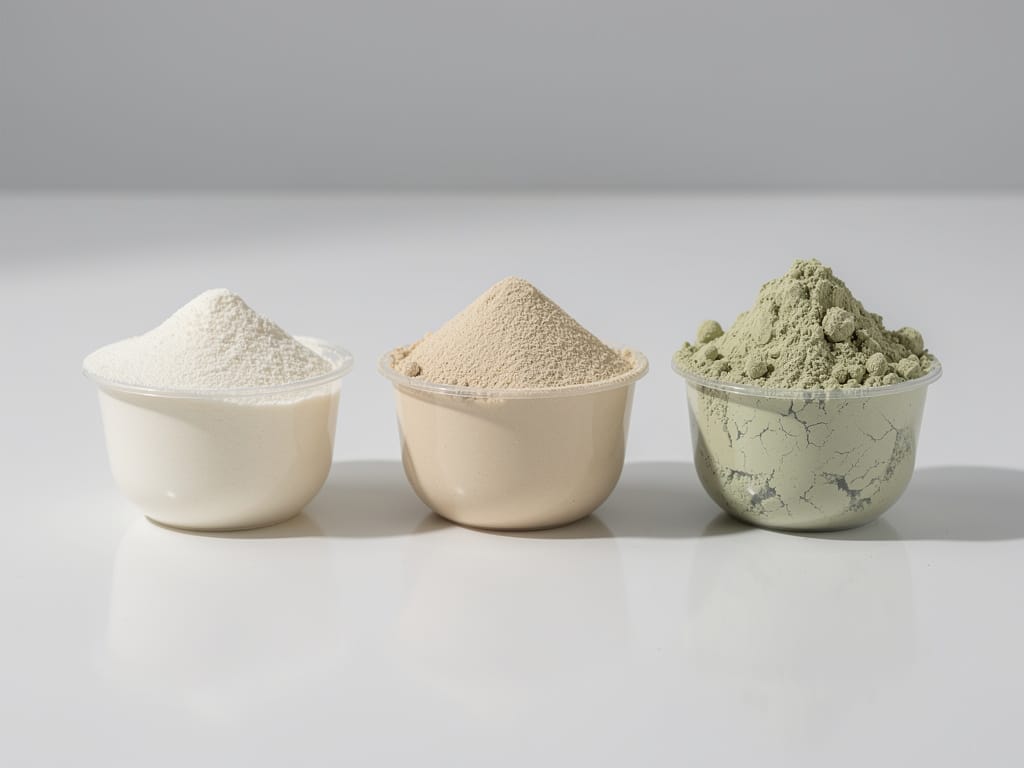
Step 1: Pick Your Protein Source
The type of protein matters. Here’s a super quick rundown:
- Whey: Comes from milk. It digests quickly, making it a popular choice for right after a workout. If you have trouble with dairy, this might not be your friend.
- Casein: Also from milk, but it digests very slowly. People often take it before bed to help with recovery overnight.
- Plant-Based (Pea, Soy, Hemp, etc.): Fantastic options if you're avoiding dairy or eating a plant-based diet. Look for a blend of different sources to get a more complete amino acid profile.
Step 2: Become an Ingredient Detective
This is the most important step. Turn the tub around and read the label. You want to see a short, simple ingredient list. The first ingredient should be the protein itself (e.g., 'Whey Protein Isolate').
Watch out for:
- A ton of added sugars or artificial sweeteners. A little is fine, but you don't want a dessert in a shaker cup.
- Fillers and weird additives. If the list is a paragraph long and you can't pronounce half of it, put it back.
- Look for a 'Third-Party Tested' seal. This means an independent company has verified that what's on the label is actually what's in the tub. It's a huge plus for quality.
Step 3: Listen to Your Gut (Literally)
Your body is the final judge. Some people feel great on whey; for others, it causes bloating and discomfort. Some love the taste of pea protein; others don't.
My advice? Don't buy the giant 5-pound tub on your first go. Start with the smallest size available and see how you feel. Does it digest well? Do you like the taste? Does it mix easily? If not, try a different type.
Remember this: Protein supplements are a tool for convenience, not a magic bullet for health. Use them to fill the gaps that a busy life creates, but never let them push real, wonderful, whole food off your plate.
At the end of the day, you know your body best. I hope this little chat helps you feel more confident and less overwhelmed. You've got this.
Join our community for the latest tips, delicious recipes, and expert advice on living a healthy, balanced life-subscribe to our newsletter today!