
7 High-Protein Lunches That Keep You Full Without Afternoon Bloating
Tired of lunches that leave you hungry, heavy, or reaching for snacks an hour later? These 7 high-protein lunch ideas are simple, satisfying, and built to support steadier energy with less afternoon discomfort.
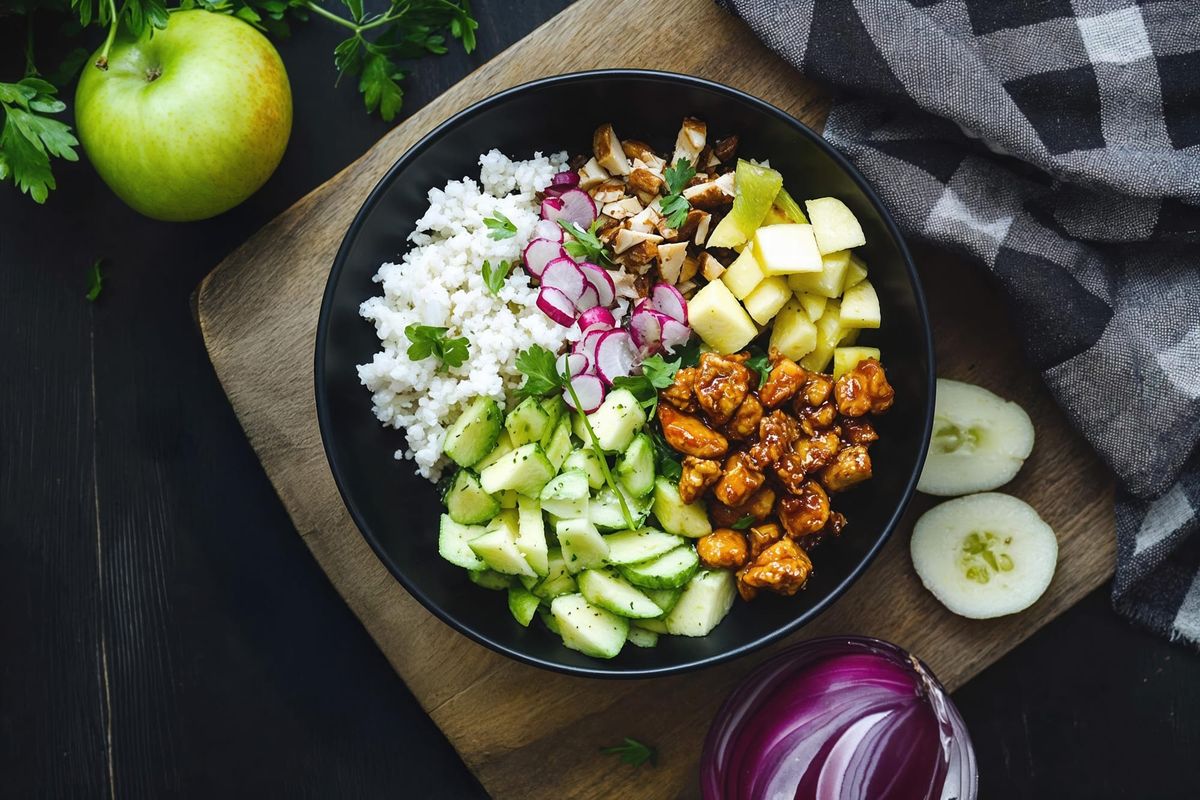
A lot of lunches look healthy on paper but still leave you with the same frustrating problems: you feel hungry again too soon, your energy crashes, or your stomach feels uncomfortable for the rest of the afternoon.
That usually happens when lunch is built around too little protein, too many refined carbs, or ingredients that simply do not sit well for your body. Protein tends to support fullness better than lower-protein meals, while bloating triggers can vary a lot from person to person. Undigested carbohydrates can contribute to gas, some people feel worse after high-fat meals, and even fiber can backfire when you add too much too fast.
That does not mean lunch has to be bland or overly strict. It just means a smarter lunch usually works better: enough protein, a reasonable amount of fiber, ingredients you tolerate well, and meals that feel satisfying instead of overly heavy. U.S. dietary guidance also emphasizes nutrient-dense food choices and a healthy pattern as a whole, rather than chasing one “perfect” food.
Here are 7 high-protein lunch ideas that can help you stay fuller, feel steadier, and avoid that uncomfortable afternoon slump.
1. Greek Chicken Bowl
This is one of the easiest lunches to build because it gives you protein, texture, and freshness without feeling too heavy.
What to use:
- grilled chicken
- cooked rice or quinoa
- cucumber
- tomato
- lettuce or spinach
- olives
- a spoon of Greek yogurt or tzatziki
- olive oil and lemon
Why it works: chicken gives the meal strong protein, while the bowl format makes it easy to keep the ingredients simple and balanced. If raw vegetables tend to bloat you, swap some of them for cooked zucchini or roasted peppers.
2. Turkey and Avocado Wrap
A wrap is a good option when you want something fast and portable but still more satisfying than a random sandwich.
What to use:
- sliced turkey
- whole grain wrap
- avocado
- lettuce
- cucumber
- mustard or hummus
Why it works: turkey adds protein, avocado adds richness, and the wrap keeps lunch practical for busy days. If large wraps feel too heavy, use a smaller one and add fruit on the side.
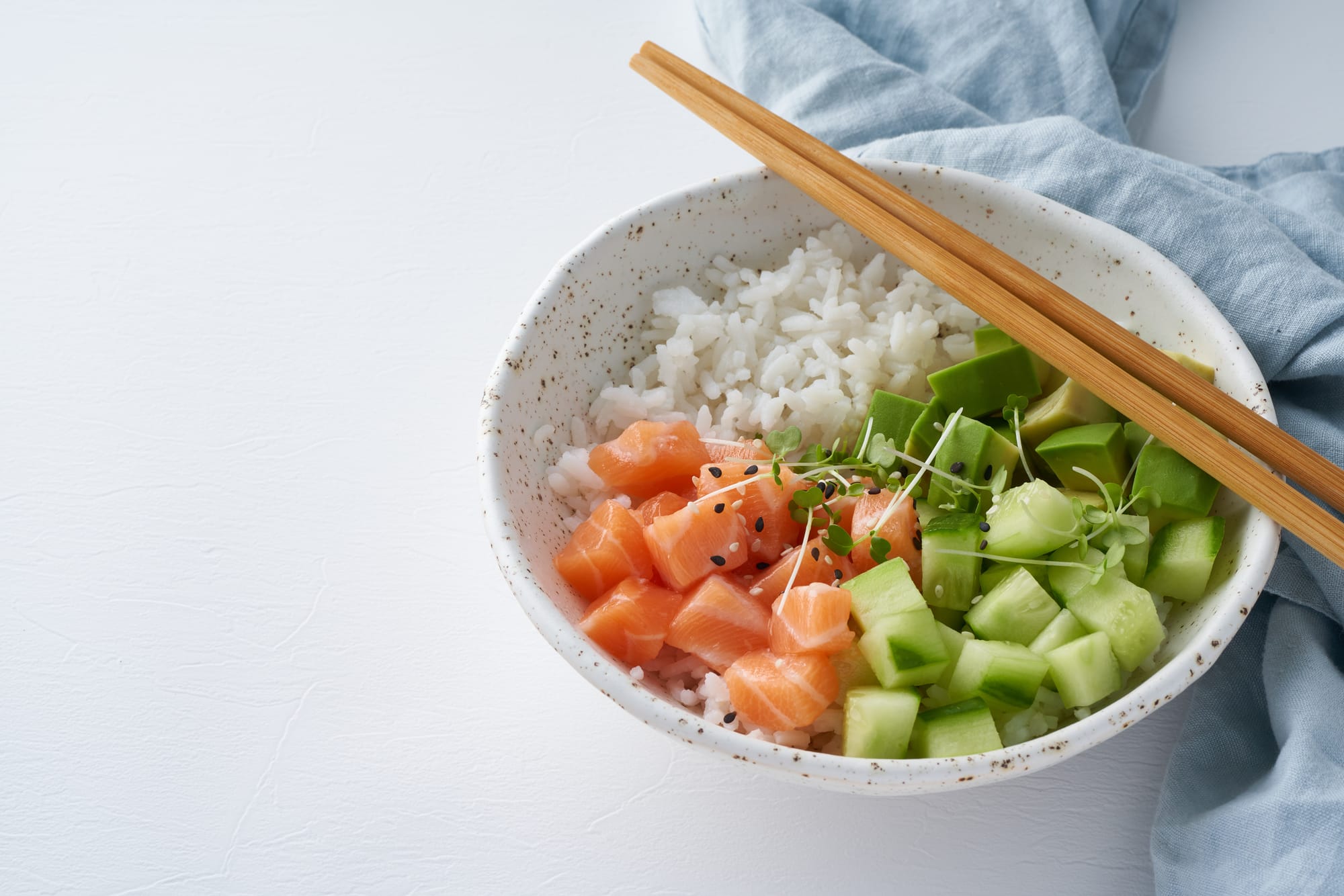
3. Salmon Rice Bowl with Cucumber
This is a great lunch for days when you want something filling but not overly rich.
What to use:
- baked or canned salmon
- cooked rice
- cucumber
- shredded carrots
- edamame if tolerated
- sesame seeds
- a light soy-ginger dressing
Why it works: salmon is a protein-rich option, and rice is often easier for many people to tolerate than very heavy or greasy lunch foods. Dietary guidance recommends including a variety of protein foods in nutrient-dense forms, including seafood.
4. Cottage Cheese Toast Plate
This is one of the simplest “lazy but smart” lunches you can make.
What to use:
- cottage cheese
- whole grain toast
- sliced tomatoes
- cucumber
- black pepper
- olive oil
- boiled eggs on the side
Why it works: cottage cheese and eggs help increase protein without making the meal complicated. It is especially useful on days when you do not want to cook but still want something more substantial than snack-style grazing.
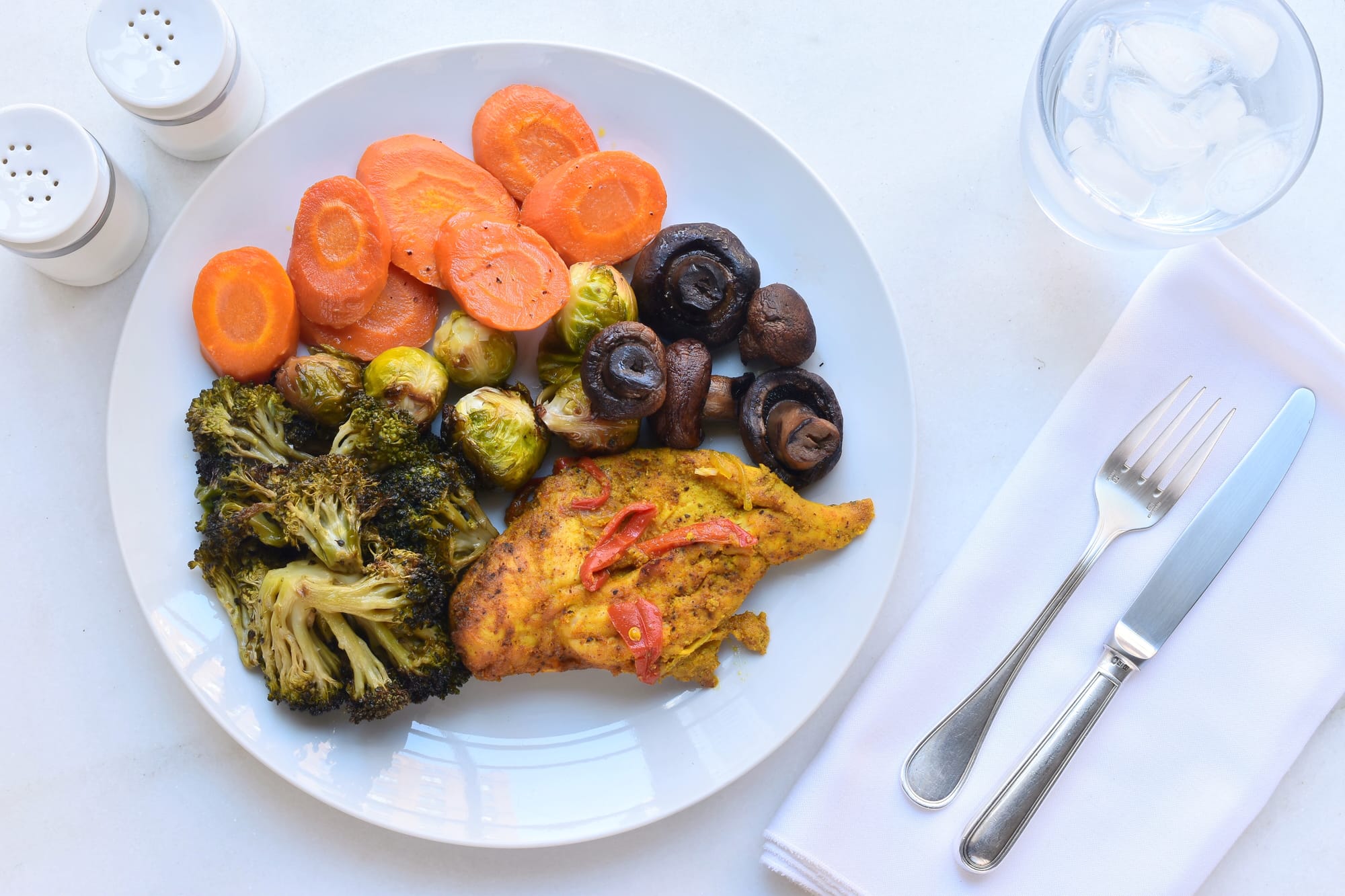
5. Chicken and Roasted Vegetable Plate
Sometimes the best lunch is the least exciting-looking one.
What to use:
- grilled or baked chicken
- roasted carrots
- zucchini
- potatoes or rice
- olive oil
- herbs and lemon
Why it works: roasted vegetables are often easier to tolerate than large raw salads for people who deal with bloating, and a simple plate like this is easy to digest for many people. High-fat meals can increase bloating for some people, so keeping the meal balanced instead of greasy may help.
6. Tofu Rice Bowl
This is a great plant-based option that still feels satisfying.
What to use:
- baked tofu
- rice
- cooked spinach or bok choy
- carrots
- sesame seeds
- a light sauce
Why it works: tofu adds protein in a simple way, and cooked vegetables can feel gentler than giant raw bowls. Plant protein foods are part of healthy dietary patterns too, including soy foods, beans, peas, lentils, nuts, and seeds.
7. Tuna and Potato Lunch Bowl
This is one of the most underrated high-protein lunches.
What to use:
- tuna
- boiled potatoes
- cucumber
- dill or parsley
- olive oil
- lemon juice
- a spoon of Greek yogurt, optional
Why it works: potatoes can be satisfying without feeling overly heavy, and tuna makes the bowl much more filling than a carb-based lunch on its own. It is also easy to prep ahead.
Why some lunches leave you hungry and bloated
A lunch that is mostly bread, crackers, chips, a sweet drink, or a light salad with almost no protein may look fine at first, but it often does not have much staying power. Protein tends to improve fullness, and higher-protein meals have been associated with lower appetite in controlled studies.
At the same time, bloating is not caused by one universal “bad food.” For some people, certain carbohydrates are the issue. For others, very fatty meals, too much fiber too quickly, lactose, or oversized portions may be more of a problem. That is why a lunch that feels amazing for one person may not feel great for another.
A simple formula for a better lunch
A practical lunch formula is:
protein + easy-to-tolerate carbs + vegetables + not-too-heavy fats
Examples:
- chicken + rice + zucchini
- salmon + potatoes + cucumber
- turkey + wrap + avocado
- tofu + rice + cooked greens
That kind of structure usually works better than building lunch around refined carbs alone or trying to “just eat light” and hoping it keeps you full.
The bottom line
If your lunch keeps leaving you tired, snacky, or bloated, the answer is usually not a more complicated food plan. It is often a better meal structure.
Start with protein. Add carbs that leave you feeling steady instead of sluggish. Choose vegetables and fiber in amounts that work for your body. Keep lunch simple enough that you can actually repeat it during the week.
Because the best healthy lunch is not the most perfect one. It is the one that helps you feel good for the rest of the afternoon.
Subscribe to Well Food Choice for more simple nutrition tips, practical meal ideas, and healthy recipes for real life.