
6 “Healthy” Foods That Can Leave You Bloated - and What to Try Instead
Some foods have a healthy reputation but can still leave you feeling gassy, heavy, or bloated. Here are 6 common examples - and simple swaps that may feel better for your body.

Not every food that causes bloating is unhealthy.
In fact, some of the most nutritious foods can also be the ones that leave certain people feeling gassy, uncomfortable, or heavier than expected. That does not mean you need to fear those foods or cut them out forever. It simply means that healthy and easy to digest are not always the same thing.
If you often feel bloated after meals, the better question is not "What foods are bad?" but "Which foods are harder for my body to handle, in this amount, at this time, and in this combination?"
Here are 6 healthy foods that can sometimes leave you bloated and a few gentler ideas to try instead.
1. Apples
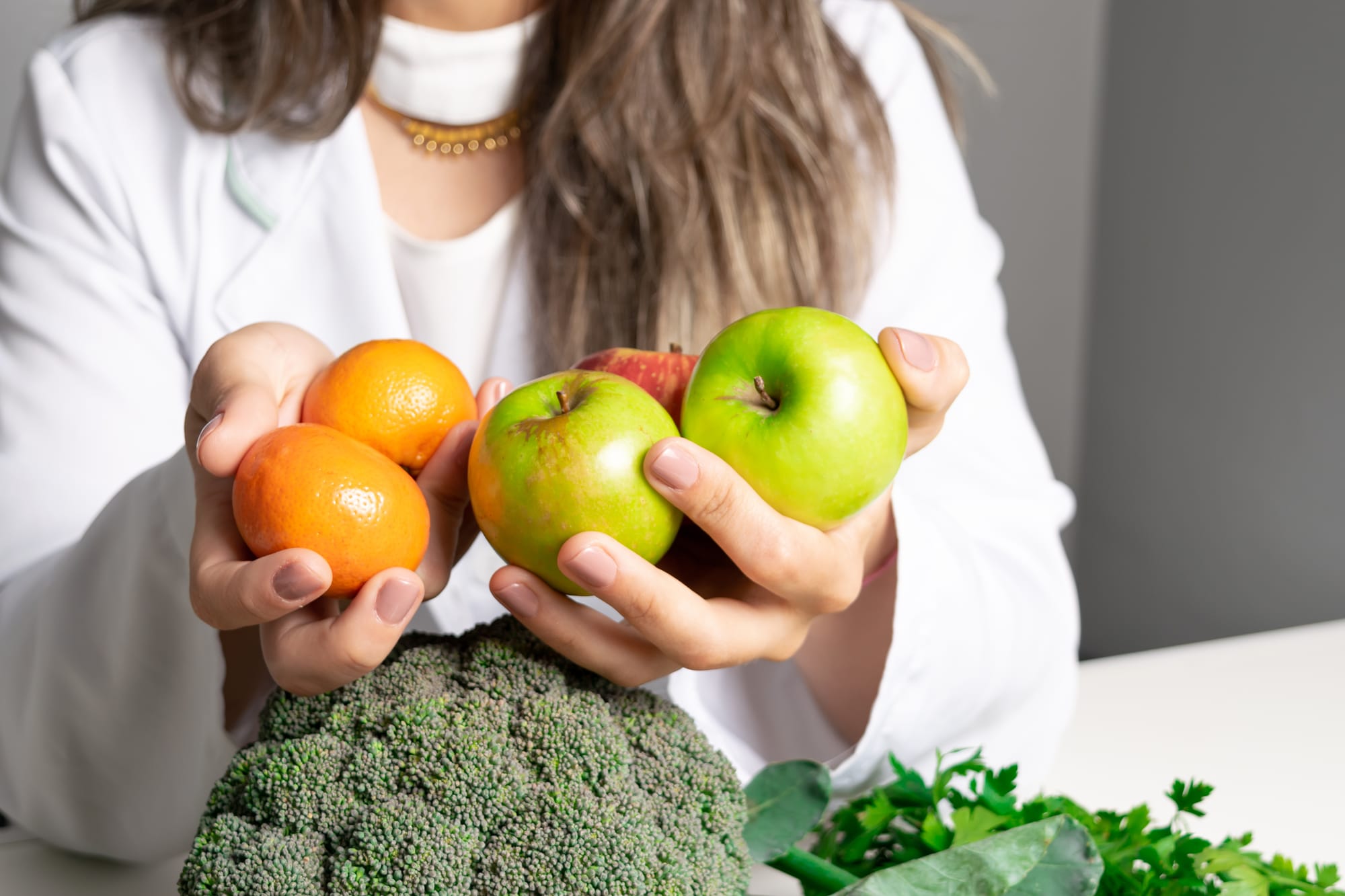
Apples are nutritious, but they can be a bloating trigger for some people. They are often seen as one of the easiest healthy snacks, but not every body responds to them the same way.
What to try instead:
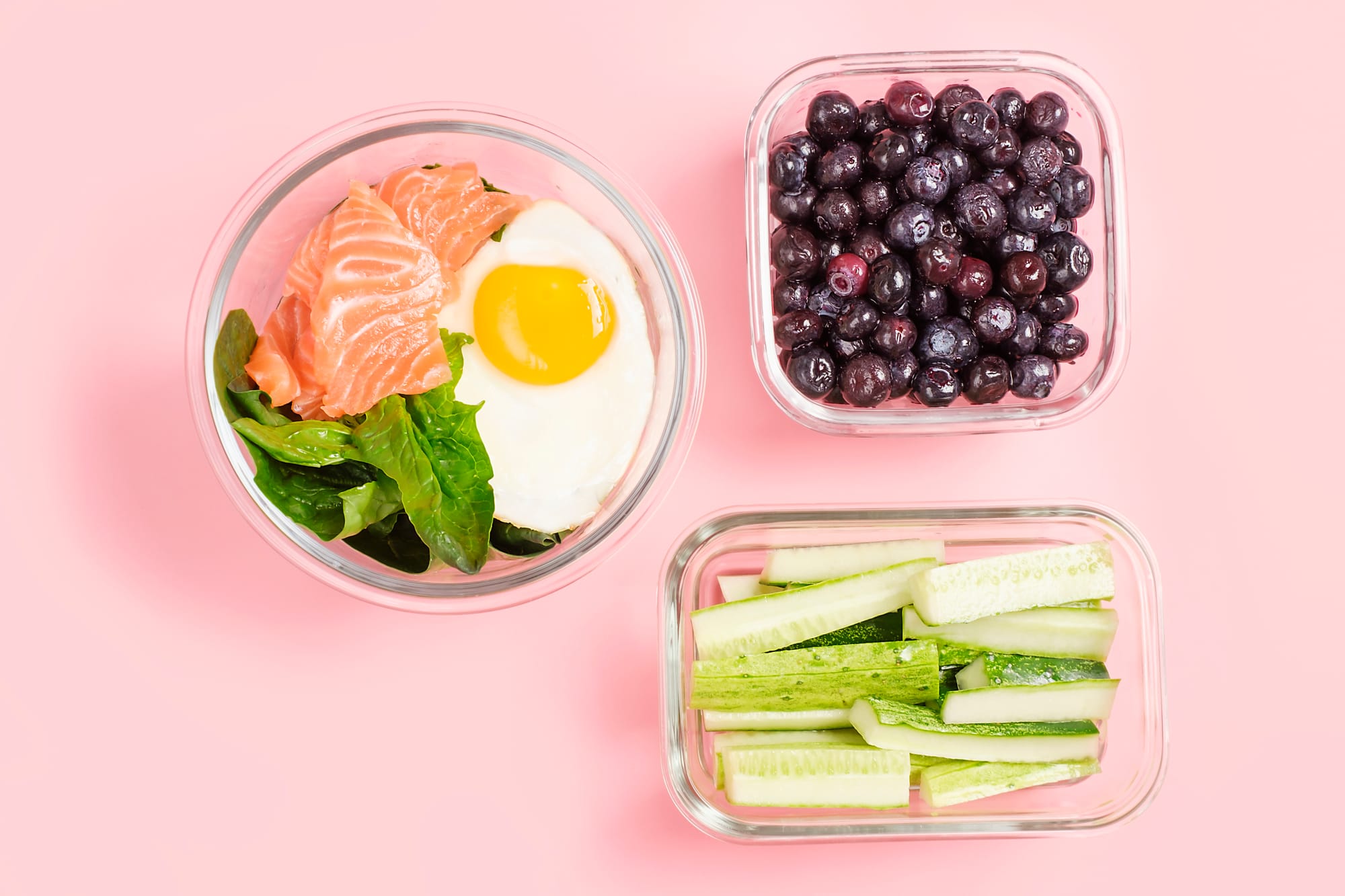
Try lower-bloat fruit options like berries, grapes, oranges, pineapple, or a small banana.
2. Broccoli and cauliflower
Cruciferous vegetables are packed with nutrients, but they are also famous for causing gas. A large raw salad with broccoli or cauliflower may feel healthy, but it can leave some people feeling uncomfortable afterward.
What to try instead:
Try cooked zucchini, carrots, spinach, green beans, peppers, or cucumber. Cooked vegetables may also feel easier on digestion than large raw portions.
3. Beans and lentils
Beans, lentils, and pulses are healthy, affordable, and full of fiber. But they are also one of the most common reasons a healthy lunch turns into an uncomfortable afternoon.
What to try instead:
If you like legumes, try a smaller portion instead of a huge serving, or pair them with foods you tolerate well. You can also swap in eggs, chicken, fish, tofu, or Greek yogurt if you want protein with less guesswork.
4. Yogurt and other dairy foods
Yogurt has a healthy image, and for many people it works perfectly well. But if lactose is a problem for you, dairy can absolutely be behind bloating, gas, or digestive discomfort.
What to try instead:
Try lactose-free yogurt, a version that works better for you, or a non-dairy option with simple ingredients. The goal is not to assume all dairy is bad. The goal is to notice whether your body feels better with a different version.
5. Healthy protein bars and sugar-free snacks
Some snack bars look extremely healthy on the label but can still be a digestive disaster. Sweeteners used in sugar-free products can be one reason why.
What to try instead:
Look for simpler snacks with ingredients you recognize and tolerate well, such as boiled eggs, nuts, fruit with peanut butter, cottage cheese, or a snack bar with fewer additives.
6. Sparkling water and fizzy drinks
Sparkling water can feel like the healthier choice compared with soda, but bubbles are still bubbles. For some people, fizzy drinks can make bloating worse.
What to try instead:
Try still water, iced herbal tea, or plain water with lemon, cucumber, or berries if you want something more interesting than flat water.
The real mistake: assuming a healthy food must work for everyone
This is where a lot of food confusion starts.
A food can be nutritious and still not feel good in your body. That does not make it bad. It just means digestion is personal.
It also helps to remember that healthy eating is about the bigger picture. The goal is not to fear fruit, vegetables, beans, or dairy. It is to find versions, portions, and combinations that help you feel your best.
The bottom line
If a healthy food leaves you bloated, the answer is not panic. It is curiosity.
Pay attention to your portions, your meal combinations, and your personal triggers. Try gentler swaps when needed. And remember that a food can be good for health in general while still not being the best fit for your body in that moment.
Subscribe to Well Food Choice for more practical nutrition tips, realistic healthy eating advice, and simple ways to feel better every day.